Weak Chin
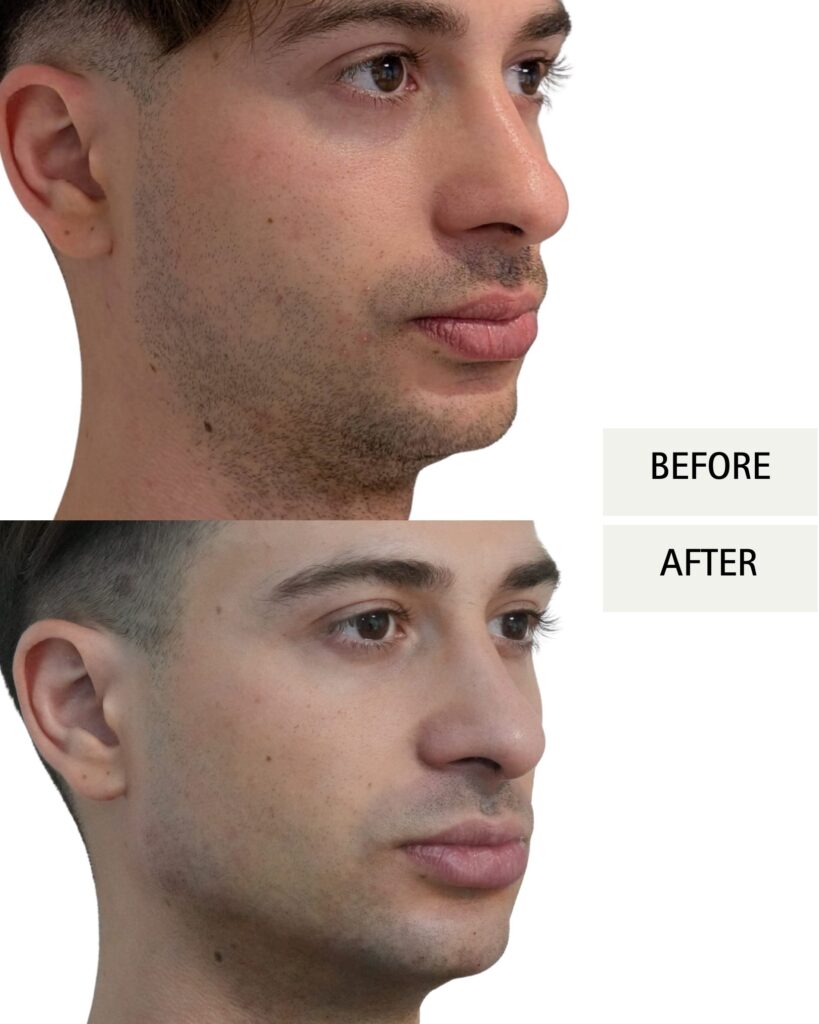
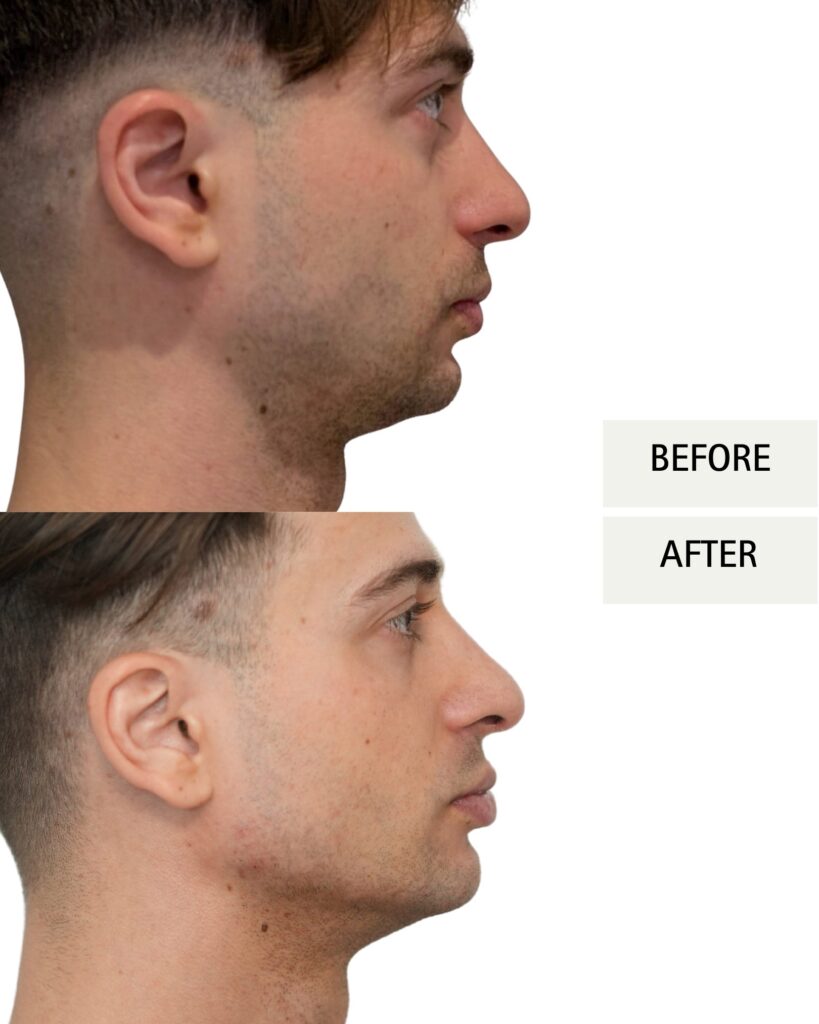
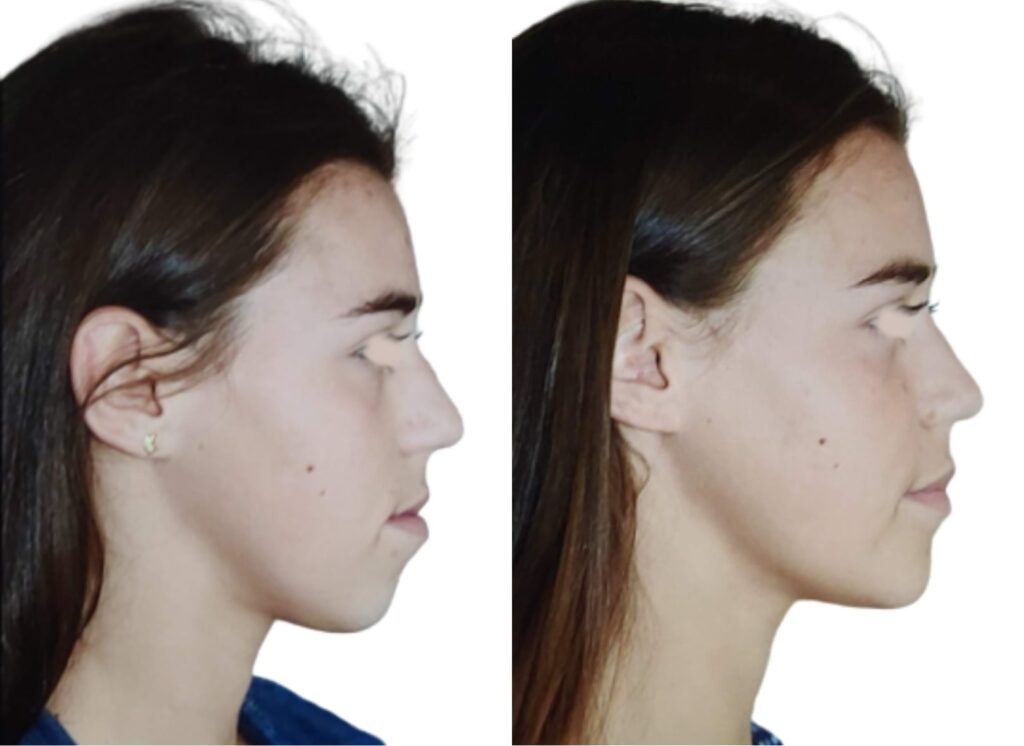
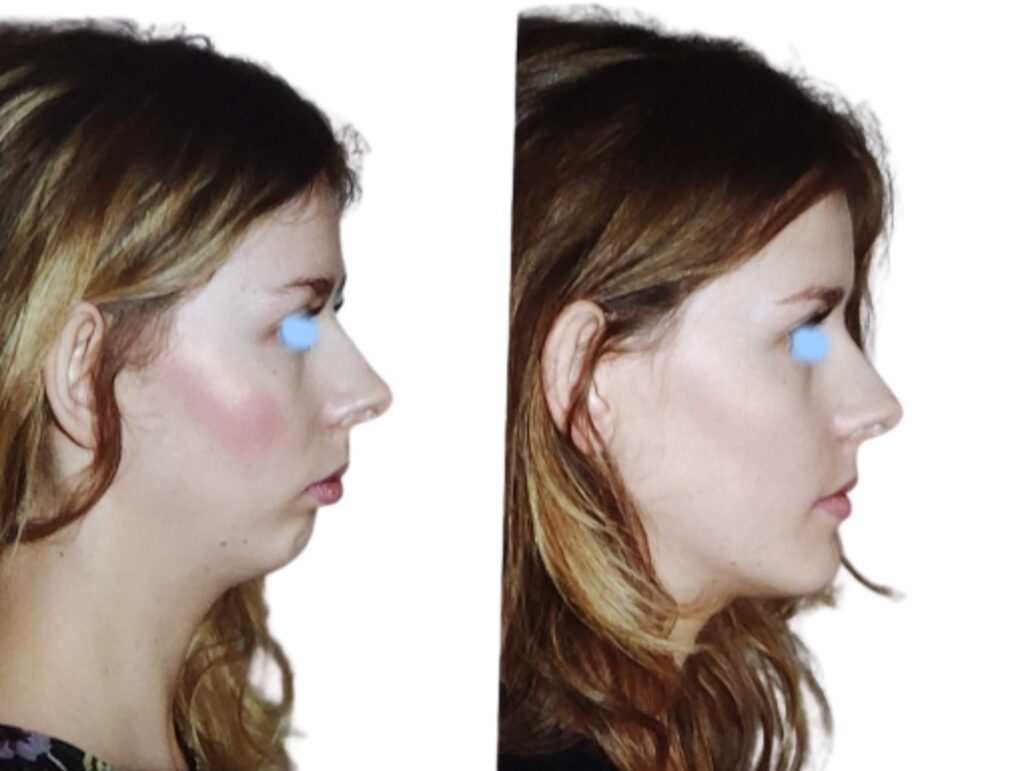
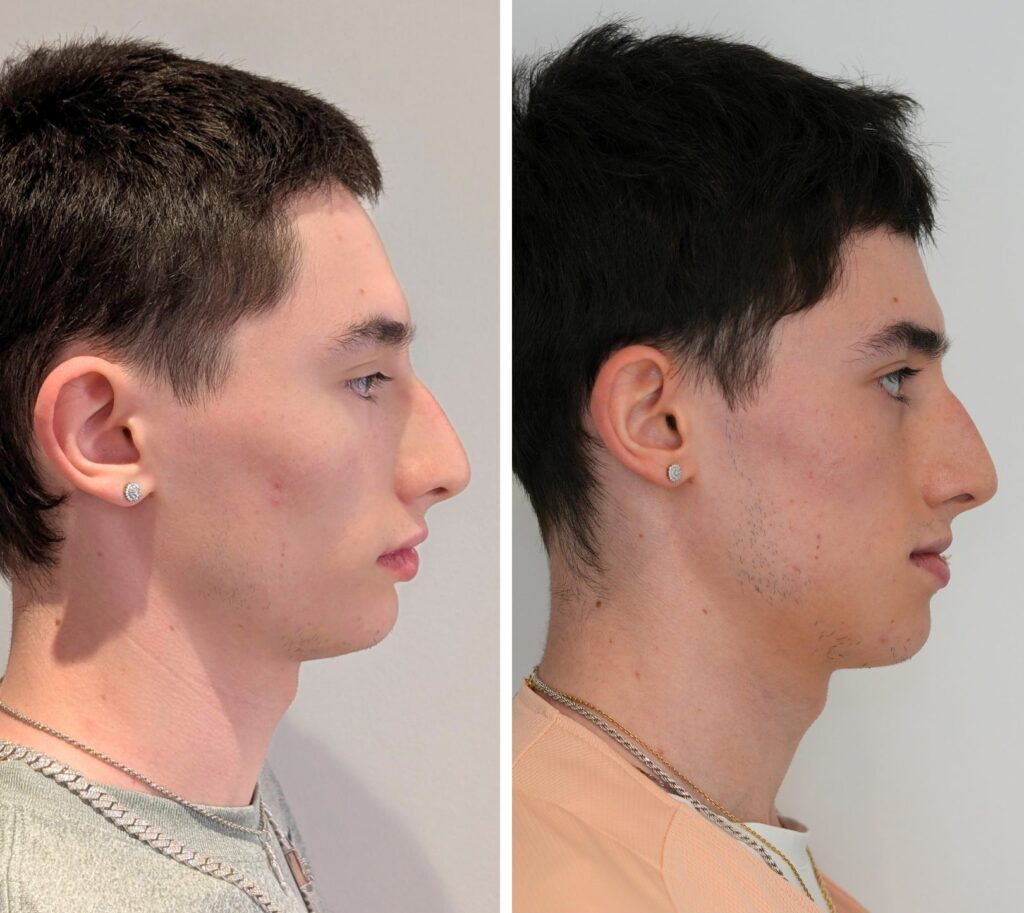
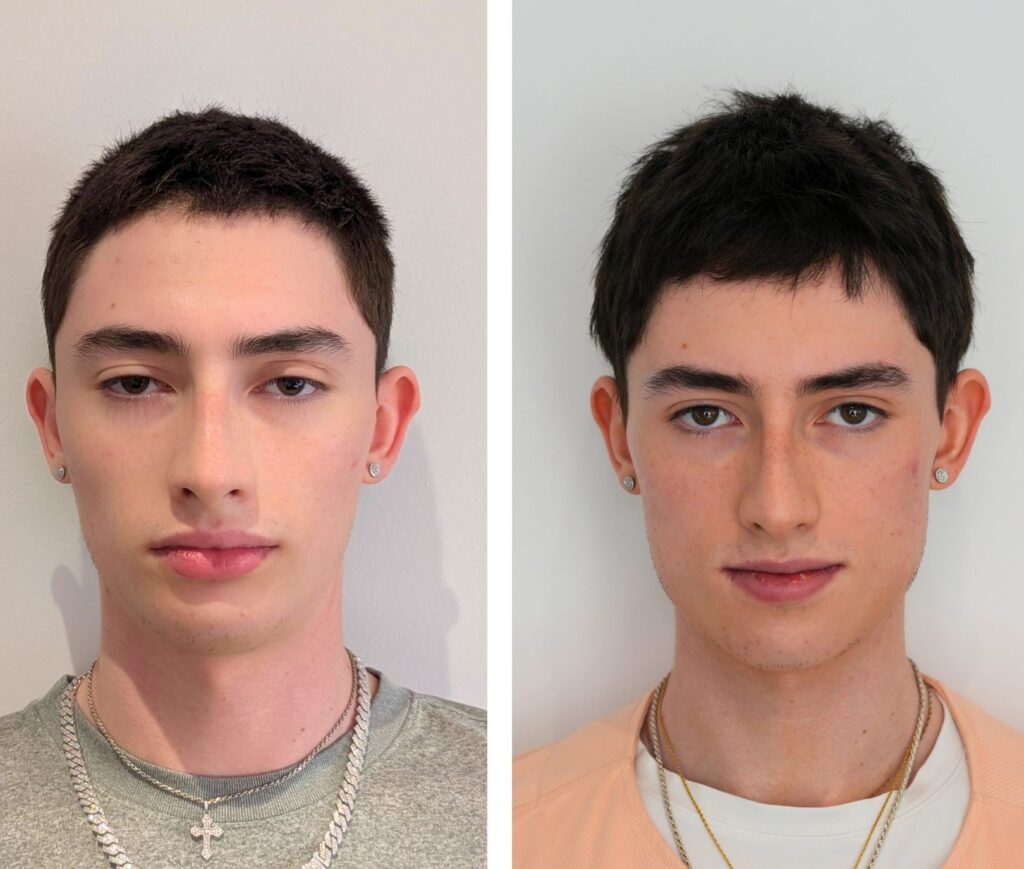
A “weak” or recessed chin isn’t only about the chin—it’s the relationship between the chin, lips, nose, jawline and neck. My approach is anatomy-led and layered: we start with reversible options when appropriate and reserve structural changes for cases that truly need support and projection—so the result looks calm, proportional, and natural.
What you may want to improve
- Recessed chin in profile; jawline lacks definition
- Double-chin shadow even at healthy weight (soft-tissue drape without bony support)
- Mentolabial angle too deep/soft; “peau d’orange” chin with overactive mentalis
- Lip competence strain (lips don’t rest together comfortably)
- Profile imbalance (nose appears larger because the chin is small)
Non-surgical options (reversible, minimal downtime)
- Dermal Fillers (structural) — conservative anterior projection and vertical height of the chin, plus subtle jawline support for cleaner edges. Planned to avoid heaviness; hyaluronidase available if ever needed.
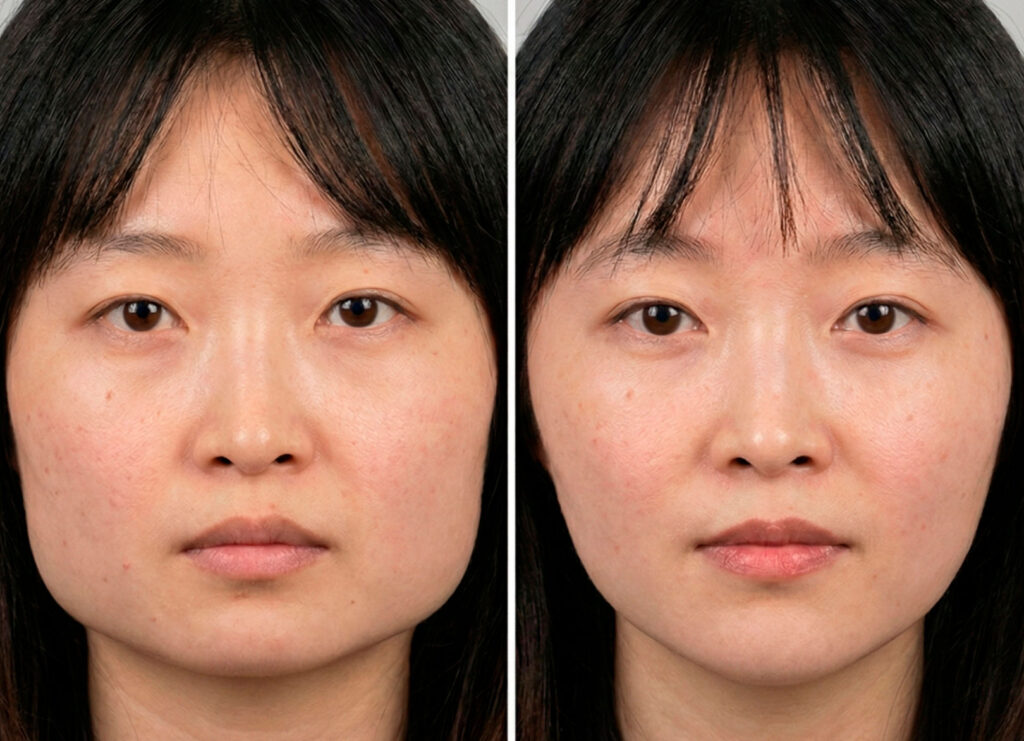
- Slim Lower Face (Masseter) — if lower-face width from muscle bulk distracts from the chin, selective reduction can make the chin read stronger
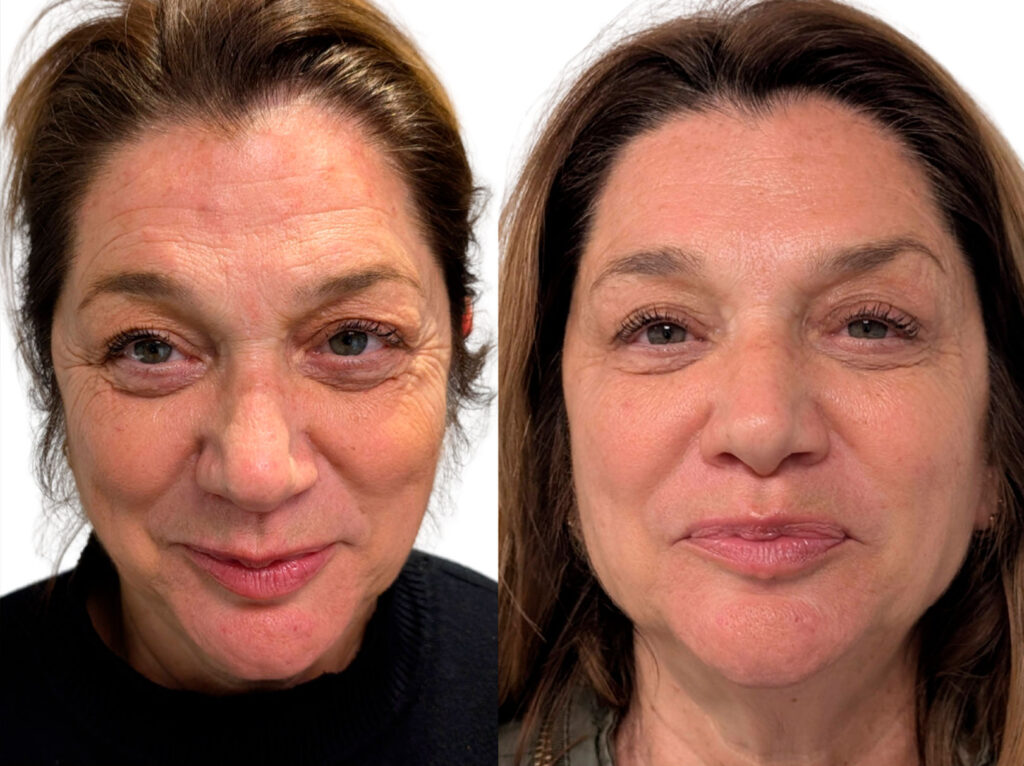
- Anti-Wrinkle / Mentalis modulation — softens chin dimpling and helps lip competence in selected cases.
- Skin quality enhancers — Skin Boosters, Polynucleotides, Mesobotox, Chemical Peels to refine texture so contours reflect light cleanly.
These options are ideal to preview proportion and to finesse after surgery where needed.
Structural options (when anatomy truly requires it)
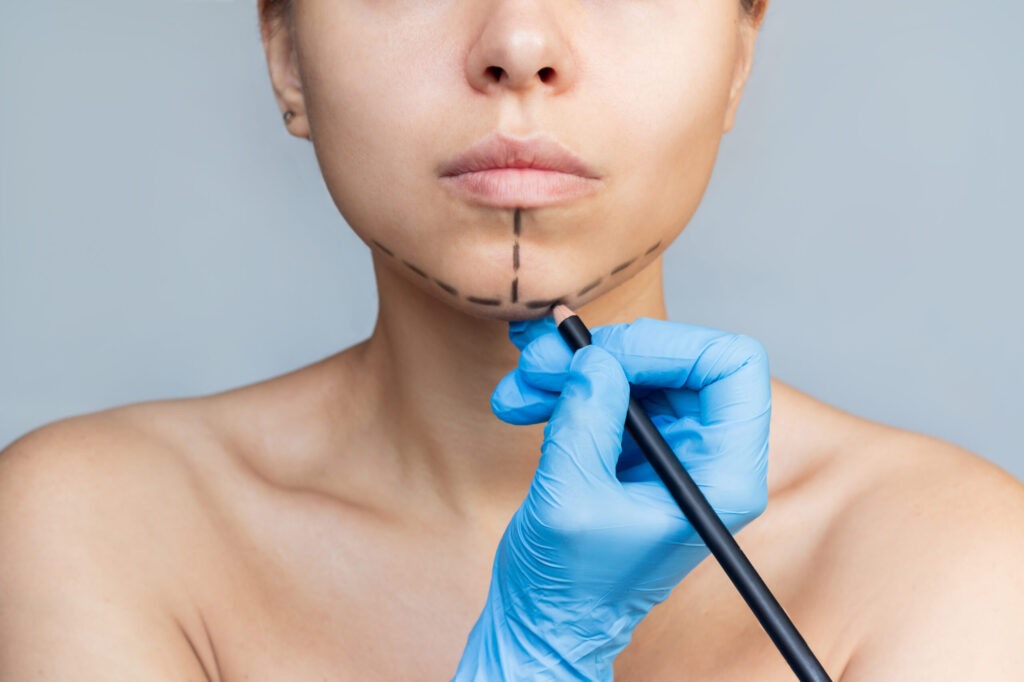
- Chin Surgery (Osseous Genioplasty) — precise bone repositioning to advance, lengthen/shorten, de-rotate or centre the chin via an intraoral approach (no external scar). Offers stable, natural support and can improve lip competence and the neck angle.
- Double Jaw Surgery (Orthognathic) — if a true skeletal discrepancy (Class II/retrognathia, deep bite, airway issues) drives the problem. Corrects bite and facial balance and may reduce submental shadow by restoring global support.
- Jawline Implant — for selected candidates needing extra angle/edge definition when soft tissue is adequate but bone is limited. Discussed against genioplasty based on goals and tissue thickness.
Smart sequencing
- Diagnose the driver (soft tissue vs skeletal)
- Preview & refine with conservative fillers ± mentalis modulation
- Commit to osseous genioplasty (or implant) for durable structure when indicated
- Finish with light fillers/skin quality to perfect light–shadow and texture
Typical timelines (indicative)
Fillers / Anti-Wrinkle:
minor marks 24–48 h;
integration 2–4 weeks
Genioplasty:
day case or 1 night; soft diet ~1 week;
most desk work 7–10 days;
refinement 4–12 weeks
Jawline Implant:
social downtime ~7–10 days;
contour settles 4–12 weeks
Double Jaw Surgery:
hospital 1–2 nights;
soft diet 2–4 weeks;
consolidation 6–8 weeks (see detailed page)
(You’ll receive a personalised calendar and written aftercare.)
FAQs
Filler or surgery for a weak chin?
Fillers are great for small to moderate projection and for previewing proportion. For precise, stable support (and when vertical change is needed), osseous genioplasty is the honest solution.
Implant or bone (genioplasty)?
Implants add volume/edge; bone movement changes true support and lip–neck balance. I typically prefer osseous genioplasty for accuracy and stability, using implants selectively.
Will my bite change?
Genioplasty changes chin position, not teeth; bite remains the same. If your bite is part of the problem, we’ll discuss orthognathic options.
Can fixing my chin help my double-chin?
Often yes—restoring projection improves soft-tissue drape and the cervico-mental angle. True fat pads may still benefit from submental micro-lipo.
Are there visible scars?
Genioplasty is intraoral (no external scar). Implants and lipo use discreet access points.