Polynucleotides
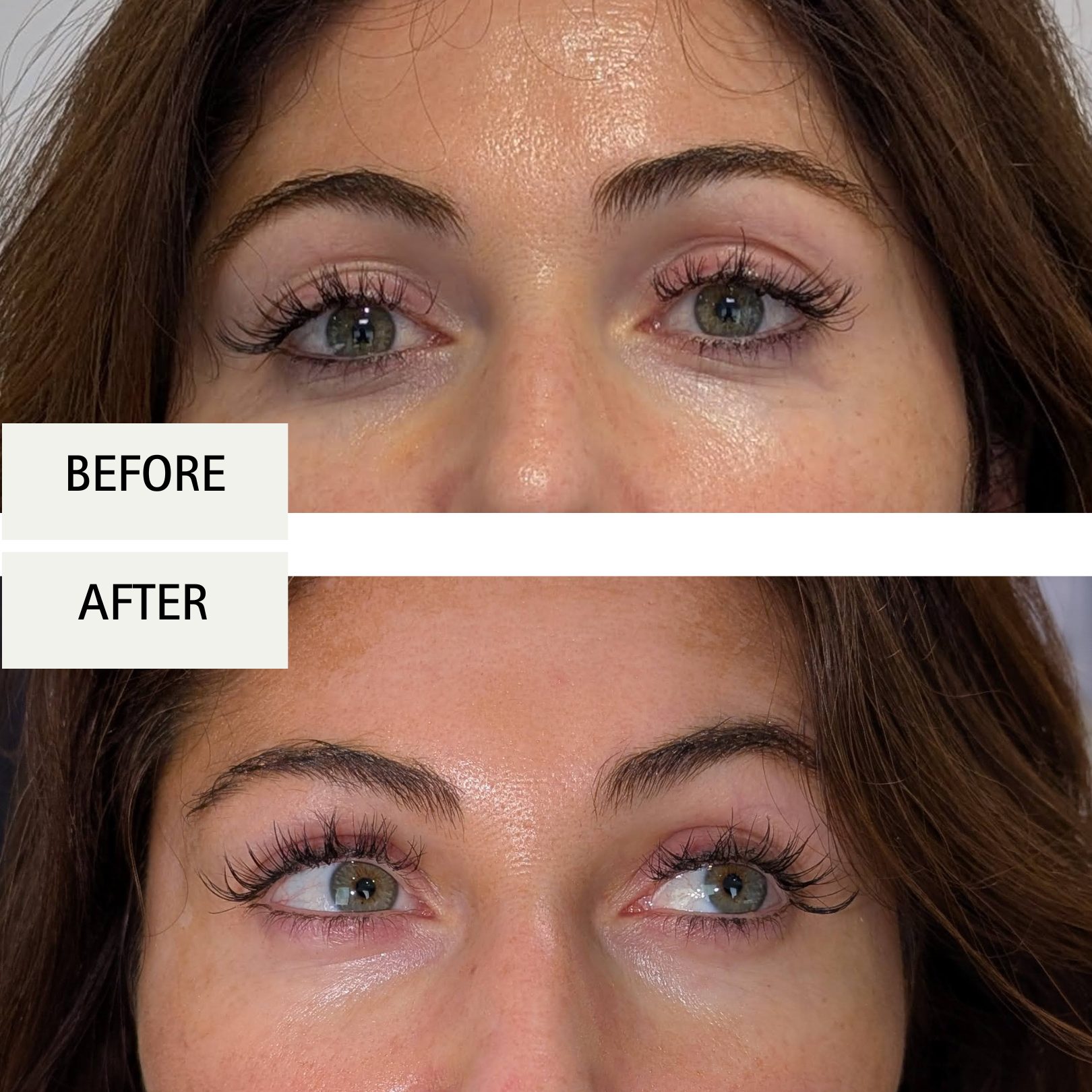
Polynucleotides (PN) are biostimulatory gels made from highly purified DNA fragments that signal skin to repair, rehydrate and regain elasticity. They don’t add volume like fillers; instead, they improve texture, fine lines, and resilience, especially in delicate areas such as the under-eye and perioral skin.
What polynucleotides can (and can’t) do
Can help with:
- Crepey or finely wrinkled skin (under-eye, cheeks, neck, décolleté)
- Elasticity loss and dullness with poor light reflection
- Post-inflammation texture and mild acne-scar quality (as part of a protocol)
- Skin that need quality improvement
Cannot replace:
- Structural volume (see Dermal Fillers)
- Significant laxity (consider Collagen Stimulators or Facelift & Neck Lift)
- Pigment conditions alone (pair with Chemical Peels / skincare)
Who is a good candidate?
- Stable weight, non-smoker (or willing to stop pre/post-op)
- Persistent lower-cheek fullness on photos (front & three-quarter) despite normal BMI
- Thicker soft-tissue envelope (not very thin or hollow-prone)
- Realistic goals: definition and contour—not drastic hollowing
If your fullness is mainly along the jaw angle or under the chin, jawline implants or submental contouring may be more effective; I’ll guide you.
Technique (what to expect)
- Micro-aliquots placed intradermally/subdermally using fine needles; a soft cannula may be used to blend delicate zones (e.g., tear-trough extension areas)
- Conservative first session with measured volumes; symmetry checks and gentle molding
- Optional topical anaesthesia for comfort
Time in clinic: ~20–30 minutes.
Back to routine: immediately; small blebs/redness typically settle within 12–24 h.
Aftercare & timeline
- Avoid rubbing, sauna/steam, strenuous exercise for 24 hours
- SPF 50+ daily; pause facials/laser until advised
- Gentle barrier-support skincare for the first days
Onset: subtle improvement from 2–3 weeks
Peak: 6–12 weeks as collagen/ECM remodeling develops
Typical duration: 6–12 months (area/product/metabolism dependent)
Course & longevity
Most patients benefit from 2–4 initial sessions spaced 3–4 weeks apart, then maintenance every 6–9 months. Under-eye and neck often prefer slightly closer maintenance in the first year.
Candidacy & safety
Polynucleotides are one of the safest treatment with no serious side effects ever reported.
Ideal for patients seeking quality, elasticity and glow without changing facial shape.
We defer treatment in pregnancy/breastfeeding, with active infection, or in uncontrolled inflammatory skin disease. History of fish/seafood allergy is discussed (source-purification varies; not always a contraindication, but disclose it).
Possible effects: transient redness/blebs, pinpoint bruises, mild swelling/tenderness, temporary dryness/tightness. Nodules are uncommon and usually settle with massage/time; strict asepsis and correct plane placement minimise risks.
Smart combinations (case-by-case)
- Skin Boosters for deep hydration and improved light bounce
- Mesobotox to reduce pores/shiny T-zone while PN improves texture
- Chemical Peels for tone/pigment; schedule around PN sessions for predictable downtime
- Collagen Stimulators when true firmness (not just elasticity) is the main issue
- Dermal Fillers
FAQs
Polynucleotides vs Skin Boosters—what’s the difference?
Boosters are non-volumising HA for hydration and glow; PN focus on repair and elasticity with collagen/ECM support. They pair beautifully.
Are polynucleotides fillers?
No. They are biostimulatory; the benefit comes from your skin’s response, not from added volume.
Good for under-eye lines?
Often, yes—when laxity and crepiness dominate. We first assess edema/festoons to avoid puffiness.
How many sessions do I need?
Typically 2–4 to build effect, then maintenance every 6–9 months.
When will I see results?
Expect a gradual change—first improvements by 2–3 weeks, best at 6–12 weeks.
Results