What is a lower blepharoplasty?
Ageing or genetics can push fat forward (“bags”), relax the skin, and tether the lid-cheek junction (tear trough). A lower blepharoplasty:
- Repositions or sculpts fat (often relocating it into the tear trough rather than removing it)
- Tightens skin when needed (pinch or skin-muscle flap)
- Supports the lid (lateral canthopexy) to avoid round-eye or scleral show
We tailor the plan after a detailed exam of lid tone, cheek support, ocular surface and overall facial balance.
Dr. Marc-Kevin Le Roux is a French board-certified maxillofacial surgeon based in Dubai. His lower eyelid approach prioritises fat preservation/repositioning, conservative skin tightening, and precise lid support so the eyes look rested—not operated.
Who is it for?
You may be a candidate if you have:
- Persistent under-eye puffiness even after sleep
- Fine wrinkles or crêpe skin under the eyes
- A visible tear-trough groove or tired shadow
- Good skin tone and eye health, with realistic goals
Genetic bags can appear in your 20s–30s; others present later. Age alone is not the deciding factor.
Our approach & techniques
Transconjunctival (inside the eyelid)
Transcutaneous
Skin quality upgrades
Fractional laser/peel, radio-frequency microneedling, or biologics (e.g., polynucleotides/PRF) can be staged to improve texture without removing too much skin at once.
Lid support
Tear-trough fillers (select cases)
Hyaluronic acid can be an alternative or complement, but not when bags are large—surgery gives a more stable, natural contour.
A note on diverse eyelid anatomies
Dr. Le Roux regularly trains in Seoul and has academic ties in Taiwan. For Asian and Middle-Eastern eyelids, he prioritises fat preservation, conservative skin handling and lid support to respect ethnic aesthetics and avoid hollowing. The aim is refinement—not changing identity.
Consultation & pre-op screening
- Eyelid tone and “snap-back” test, brow and cheek position
- Dermatochalasis vs festoons vs true midface descent
- Ocular surface health (dry eye/meibomian glands) to ensure comfort after surgery
- Medication review (anticoagulants, supplements), allergies, contact lens use
If needed, we coordinate an ophthalmology check before scheduling.
How recovery unfolds
- Days 1–3: swelling, tightness, occasional tearing; cold compresses, head elevated
- Days 4–7: bruising turns yellow-green; light screen work is fine
- Day 7–10: most patients feel presentable (a touch of concealer helps)
- Weeks 2–3: resume gym gradually; residual puffiness settles
- Weeks 6–12: final contour and smoothness emerge
You’ll receive a simple care plan: lubricating drops, gentle cleansing, brief activity modifications and sun protection.
Results & longevity
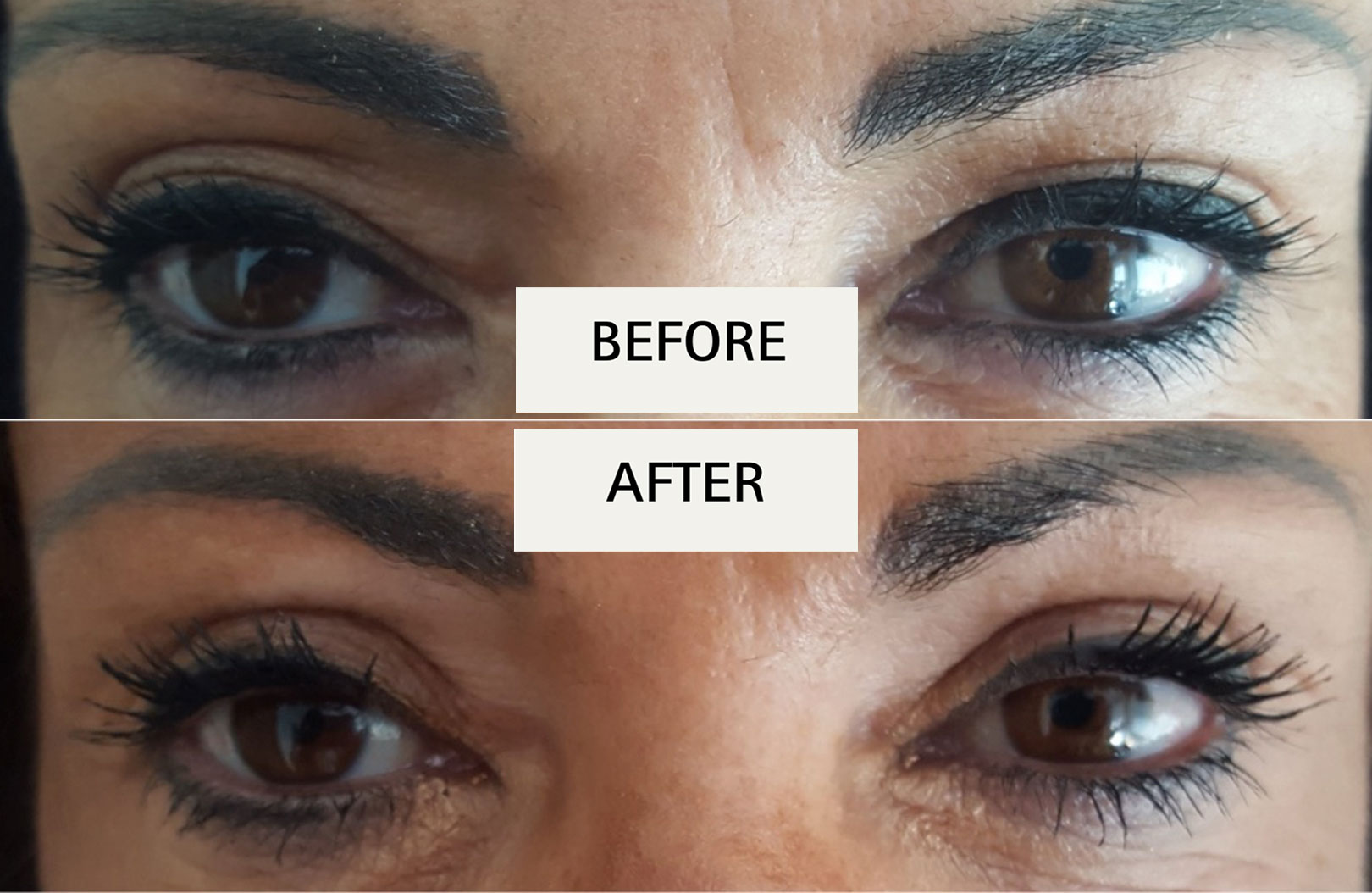
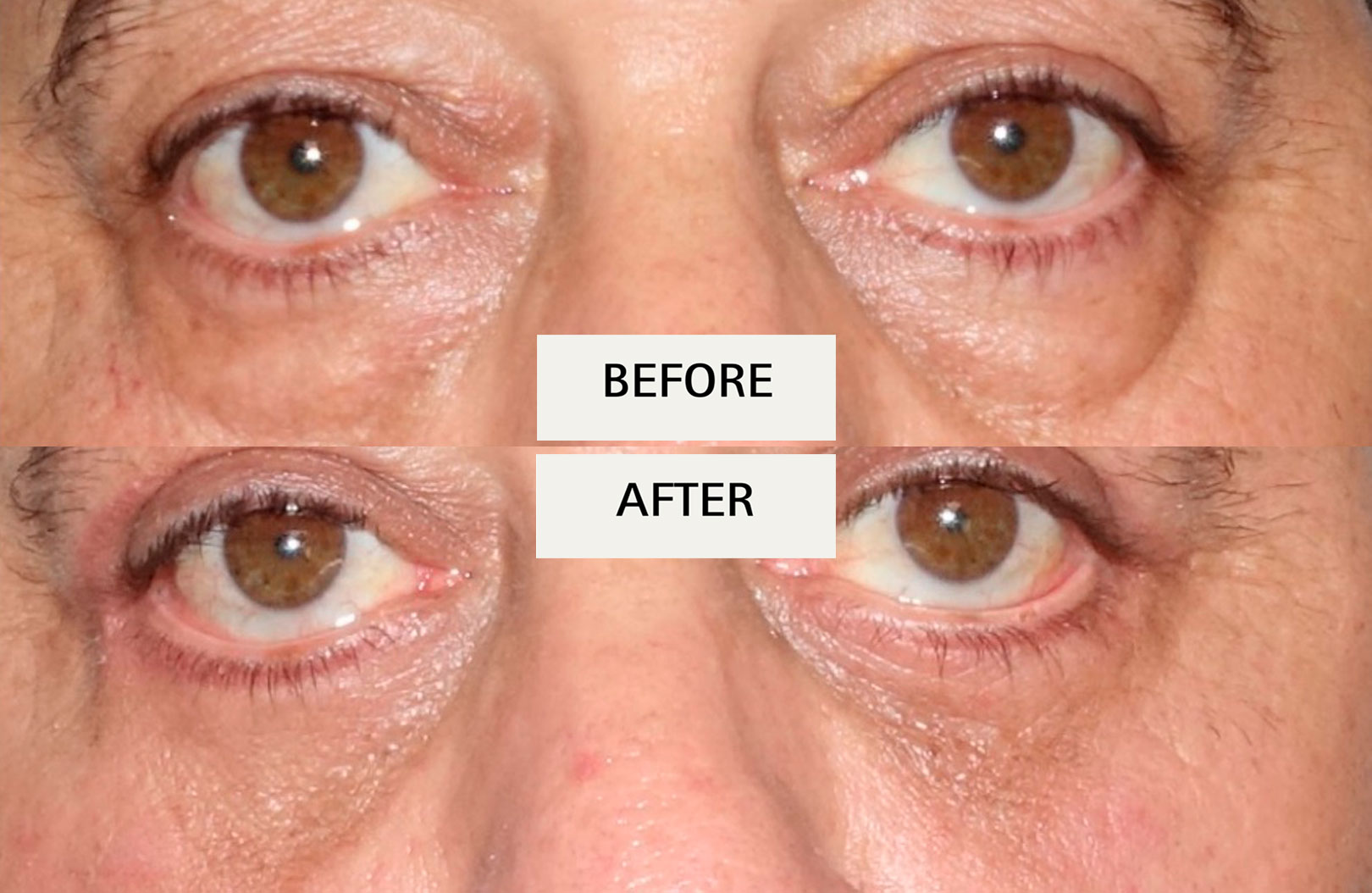
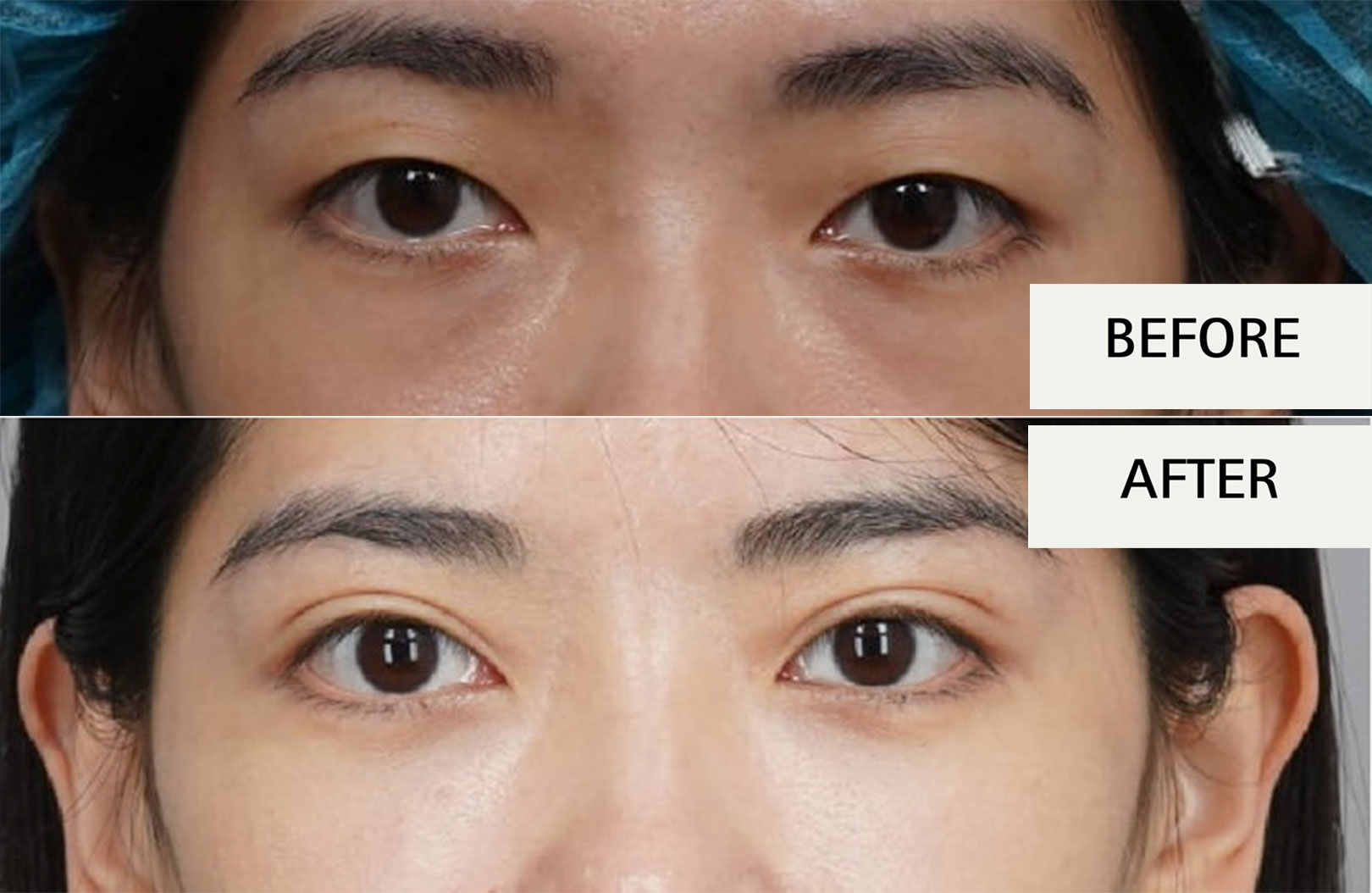
Expect a smoother lid–cheek junction, fewer shadows and a rested look. Results typically last many years; ageing continues, but from a fresher baseline. Because we prefer repositioning over aggressive removal, the result ages gracefully.
Risks & how we minimise them
- Bruising/swelling, chemosis or transient dry-eye (common, temporary)
- Asymmetry or contour irregularity (reduced via fat transposition rather than emptying)
- Round-eye/scleral show or ectropion (mitigated by careful skin limits and canthopexy)
Persistent dark circles if due to pigment or thin skin (managed with staged skin/laser care)
FAQs
Will my eye shape change?
The goal is a smoother under-eye with your natural eye shape preserved. Lid support is used when needed to protect shape.
Do I need skin removal?
Not always. Many younger patients improve with inside-the-lid fat work only that dies not leave any scar. If the skin is genuinely excess or very crêpey, a micro “pinch” or staged laser may be better than a large excision.
What about festoons (cheek bags)?
True festoons are different from eyelid bags and may require midface-focused treatments. We’ll outline options if they are the main issue.
When can I wear contacts or make-up?
Make-up from day 10 if wounds are sealed; contact lenses after 10–14 days.
Fees & quotation
Every plan is individual (anatomy, technique, need for lid support, staged skin work). After examination you’ll receive a transparent quotation and a clear recovery roadmap. Medical insurance rarely applies to lower eyelid rejuvenation.
Results