What is an upper blepharoplasty?
Upper blepharoplasty removes redundant skin—and selectively treats pre-aponeurotic fat when indicated—to open the eye and smooth the upper lid fold. The micro-incision is placed in the natural eyelid crease so the scar sits invisible when the eyes are open. Depending on your anatomy, the procedure can be performed alone or combined with:
- Brow-lift (when the brow itself has descended)
- Ptosis repair (if the eyelid margin is truly low from levator weakness)
- Lower blepharoplasty or non-surgical eyelid rejuvenation
Dr. Marc-Kevin Le Roux is a French board-certified maxillofacial surgeon based in Dubai. His upper blepharoplasty technique focuses on precise skin removal, careful fat preservation or redistribution, and protection of the eyelid’s muscle dynamics to keep the eye bright—but never “done”.
Who is it for?
You may benefit if you have any of the following:
- Hooding that rests on the lashes or hides the upper crease
- A “tired” or “heavy” look, worse in the evening
- Difficulty applying eye make-up due to skin folds
- Visual field encroachment confirmed by an ophthalmology test (functional cases)
Age is not the criterion—some patients are candidates in their 30s due to hereditary anatomy, while others seek treatment later.
A note on Asian upper eyelids
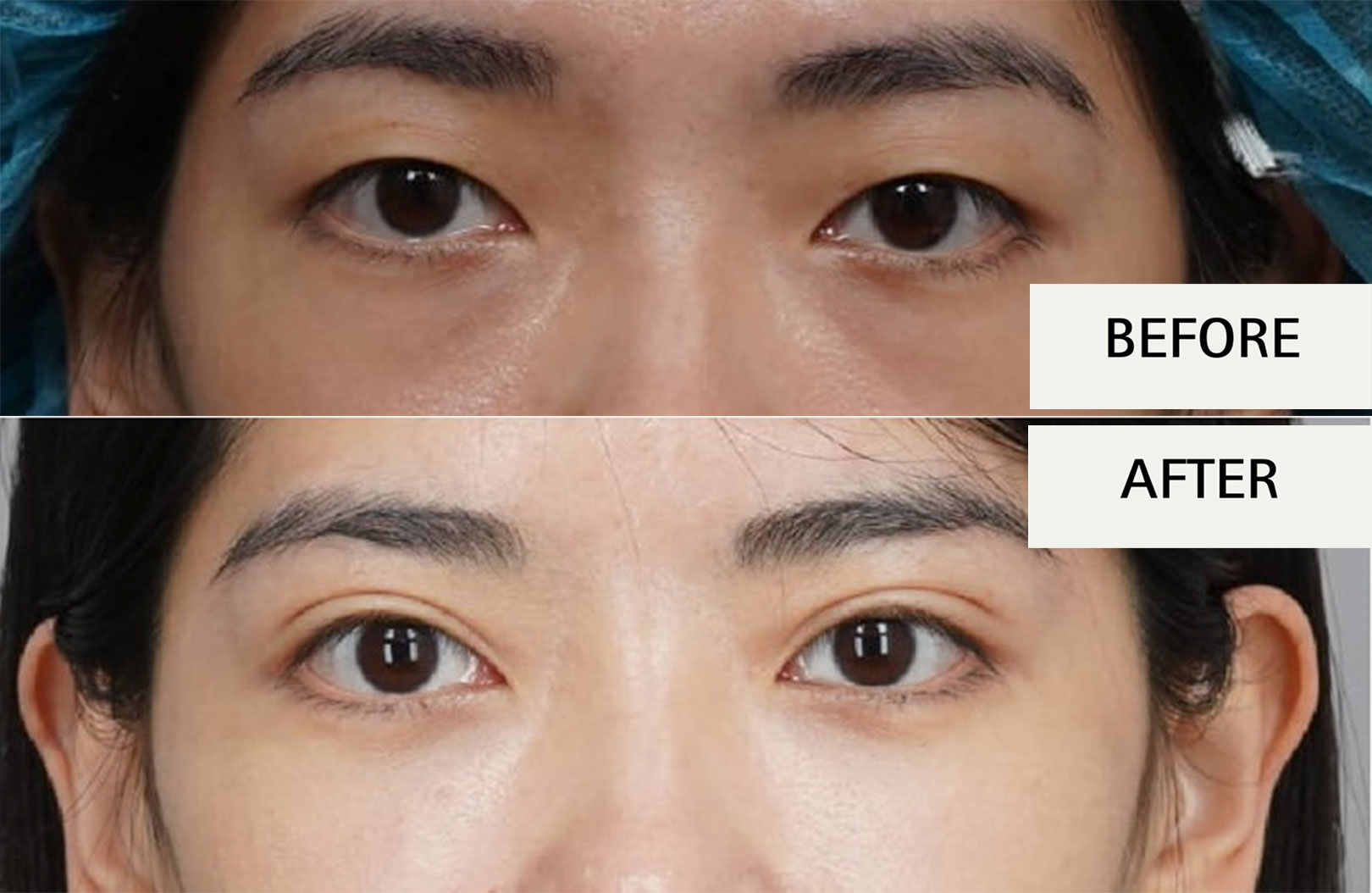
Dr. Le Roux regularly trains in Seoul and has clinical ties in Taiwan. When operating on Asian eyelids, the aim is refinement, not Westernisation: setting a crease height appropriate for your ethnicity, addressing the medial fold when relevant, and prioritising fat preservation to avoid a hollow, “skeletal” upper lid. This expertise is available to all patients but is not the default focus unless it matches your goals.
Consultation & pre-op screening
Every candidate receives an eyelid-specific assessment that includes:
- Brow position and frontalis compensation (is a brow-lift more appropriate?)
- Dermatochalasis vs. true ptosis (levator function)
- Ocular surface health: dry eye / meibomian gland function (important for comfort and tear-film stability after surgery)
- Review of medications (blood thinners, supplements), smoking status, allergies, previous eye surgery or LASIK
If there is suspected field restriction or ocular pathology, we coordinate ophthalmology testing before surgery.
How the procedure is performed
- Precision markings while seated to determine the exact crease and skin ellipse.
- Local anaesthetic (with or without light IV sedation).
- Skin excision tailored millimetre-by-millimetre; fat trimming or repositioning only if it improves contour.
- Crease definition by meticulous closure to anchor the new fold naturally.
- Invisible sutures removed on day 5–7.
Recovery timeline
- Day 0–2: swelling and a tight feeling; cool compresses, head elevated
- Day 3–4: bruising turns yellow-green; light screen work is fine
- Day 5–7: suture removal; most patients feel “presentable” with a little concealer
- Week 2–3: residual puffiness; resume gym progressively
- Week 6–12: scar fades into the crease; final contour settles
You’ll receive a simple care plan (lubricating drops, gentle lid hygiene, brief activity modifications). Because Dr. Le Roux screens and treats meibomian gland dysfunction when present, post-op comfort is generally excellent.
Results & longevity
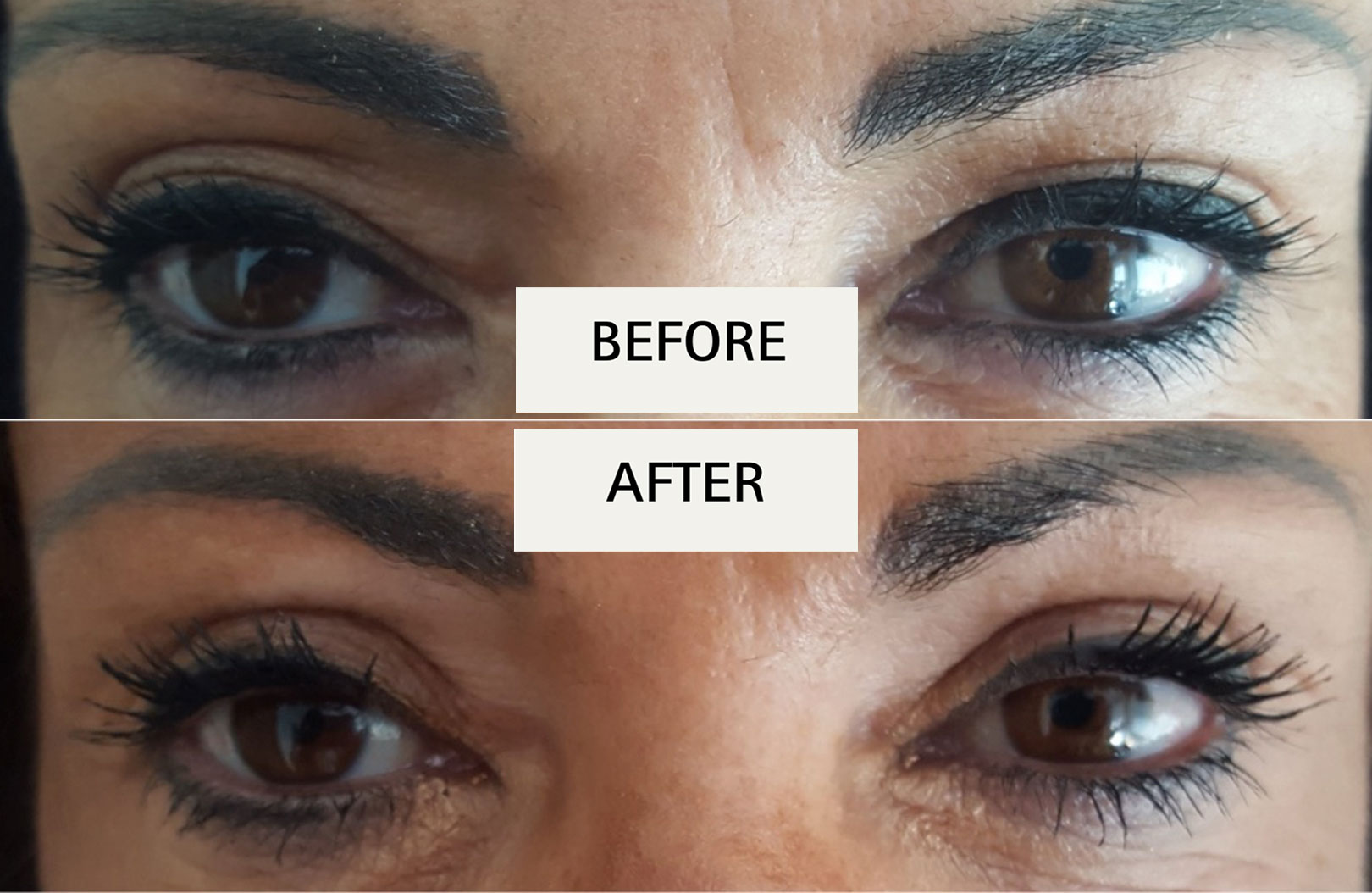
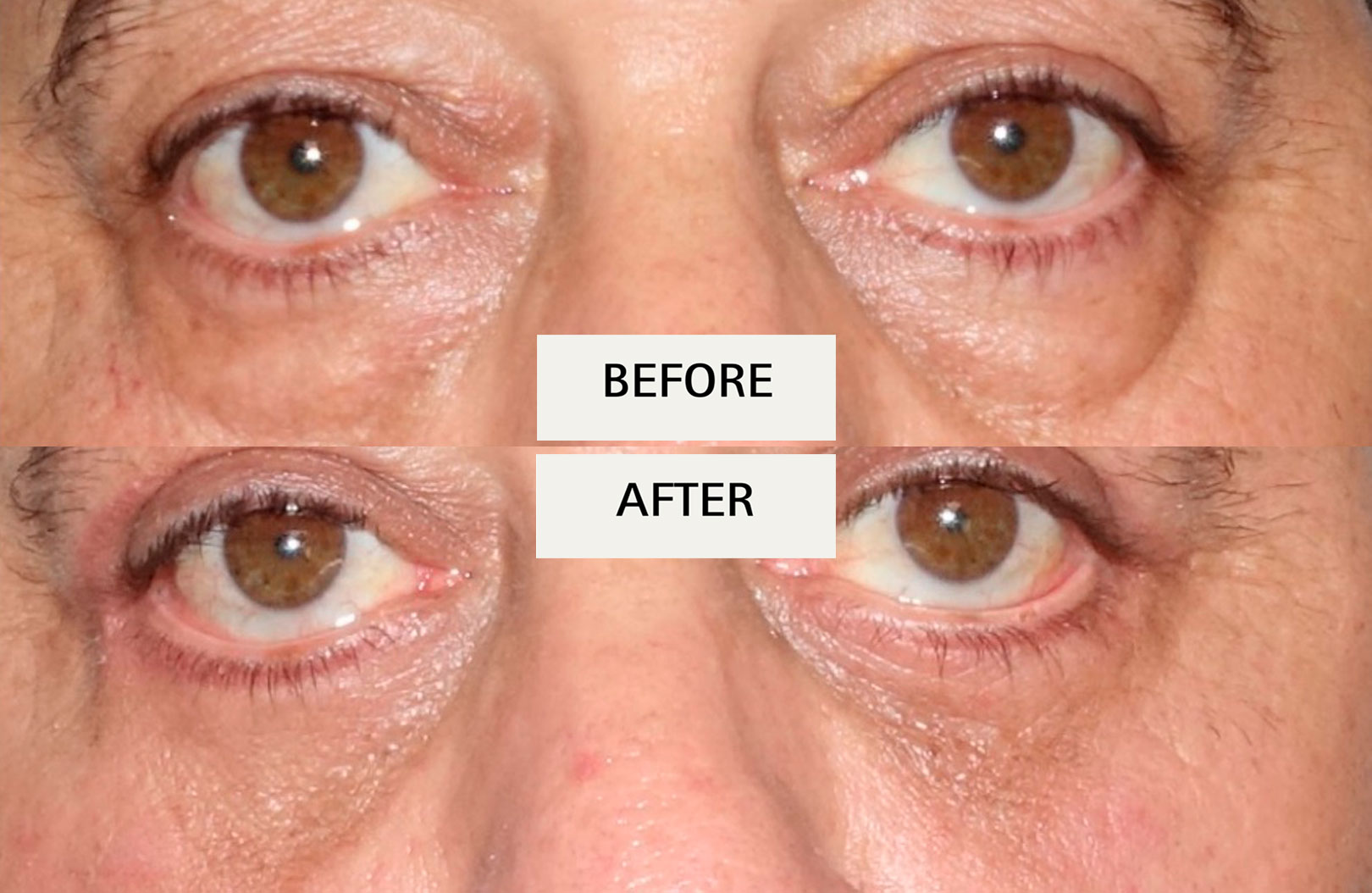
Expect a brighter, more awake gaze and a clean upper lid platform. Results typically last 8–12 years depending on skin quality, sun exposure, and brow behaviour. Ageing continues—but you age from a more refreshed baseline.
Alternatives we may discuss
Neurotoxin
“brow-refresh” for mild lateral hooding
Energy devices
for skin quality
Brow-lift
(endoscopic or mini) when descent is the true driver of hooding
Non-surgical
Treatment of tear film in patients with eye fatigue
FAQs
Risks & how we minimise them
- Bruising/swelling (common, temporary)
- Dry-eye symptoms (usually transient; we manage proactively with tear-film protocols)
- Asymmetry or over/under-resection (mitigated by conservative planning and intra-op checks)
- Visible scarring (rare; hidden in the crease and managed with scar care if needed)
- Need for adjunct procedures (brow-lift or ptosis repair when indicated)
Will it change my eye shape?
No. The operation is designed to unveil the natural crease and lid platform, not to alter canthal angles or globe position.
When can I wear contacts or eye make-up?
Contacts after 10–14 days; eye make-up from day 10 once the wound is sealed.
Can this improve my vision?
If hooding obstructs the superior field, you may notice clearer vision. Functional cases are documented with visual field testing.
Is it painful?
Discomfort is typically minimal—more “tightness” than pain—and managed with simple analgesics.
Fees & quotation
Because each plan is individual (eyelid anatomy, need for fat work, combination procedures), fees are provided after examination. You’ll receive a transparent quotation and a clear recovery roadmap. Functional ptosis repair or visual-field–impairing dermatochalasis may be considered under medical insurance depending on policy terms.
Ready to refresh your gaze while keeping your own expression?
Results