Dermal Fillers
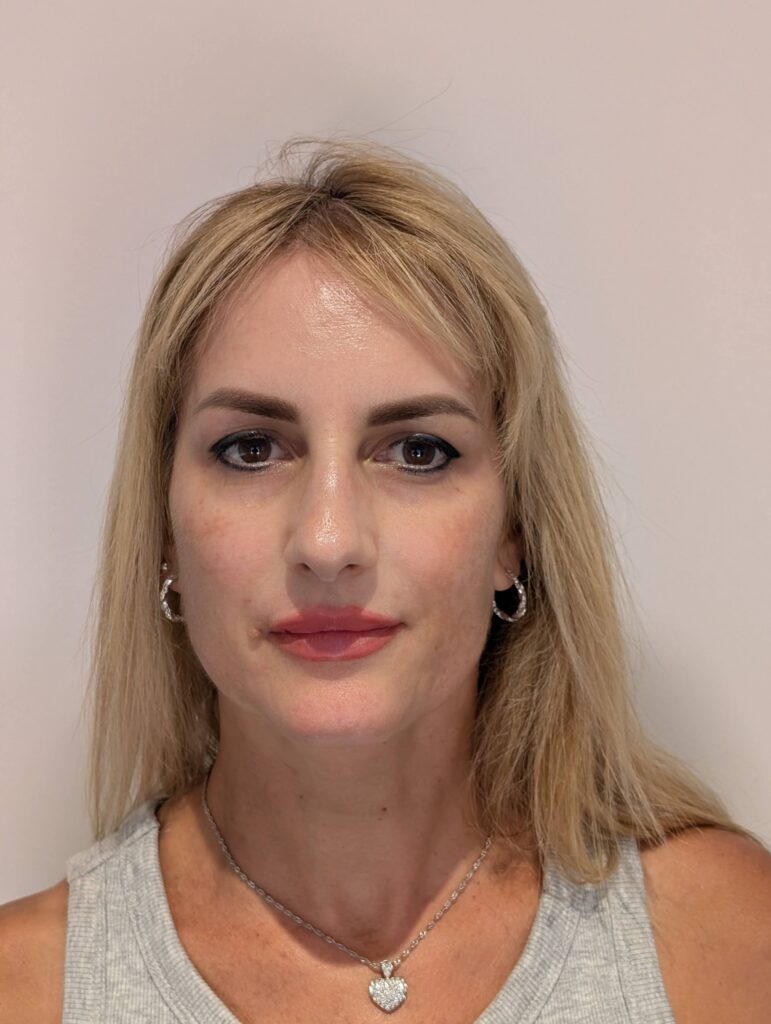
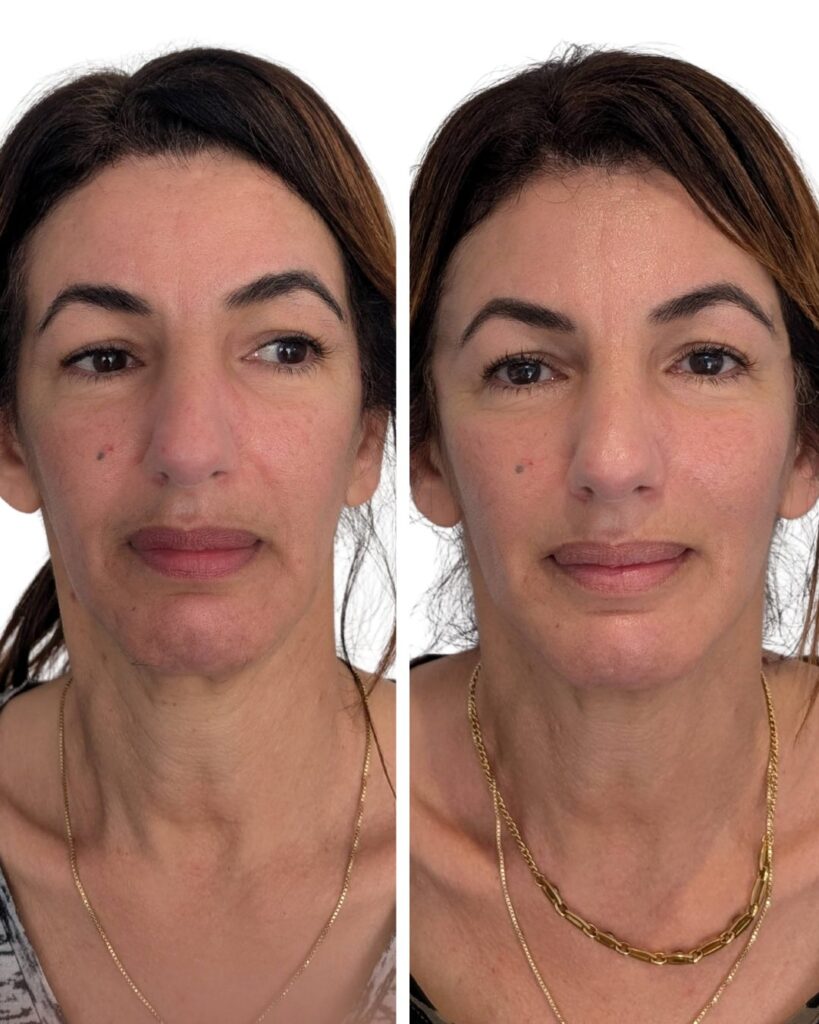
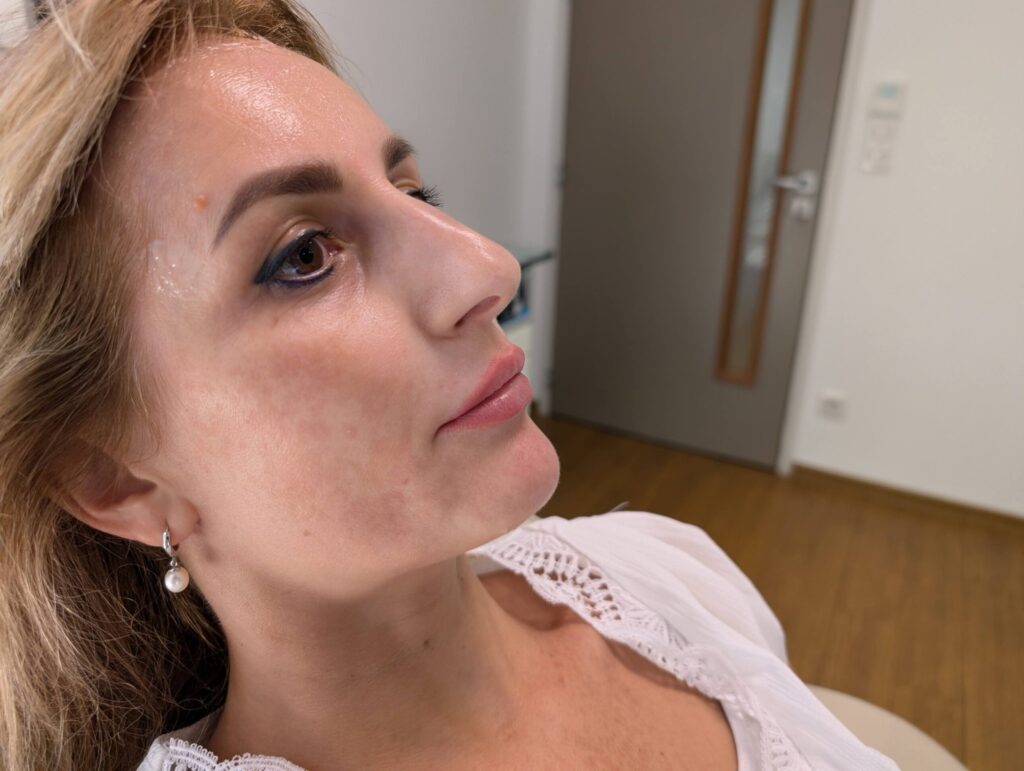
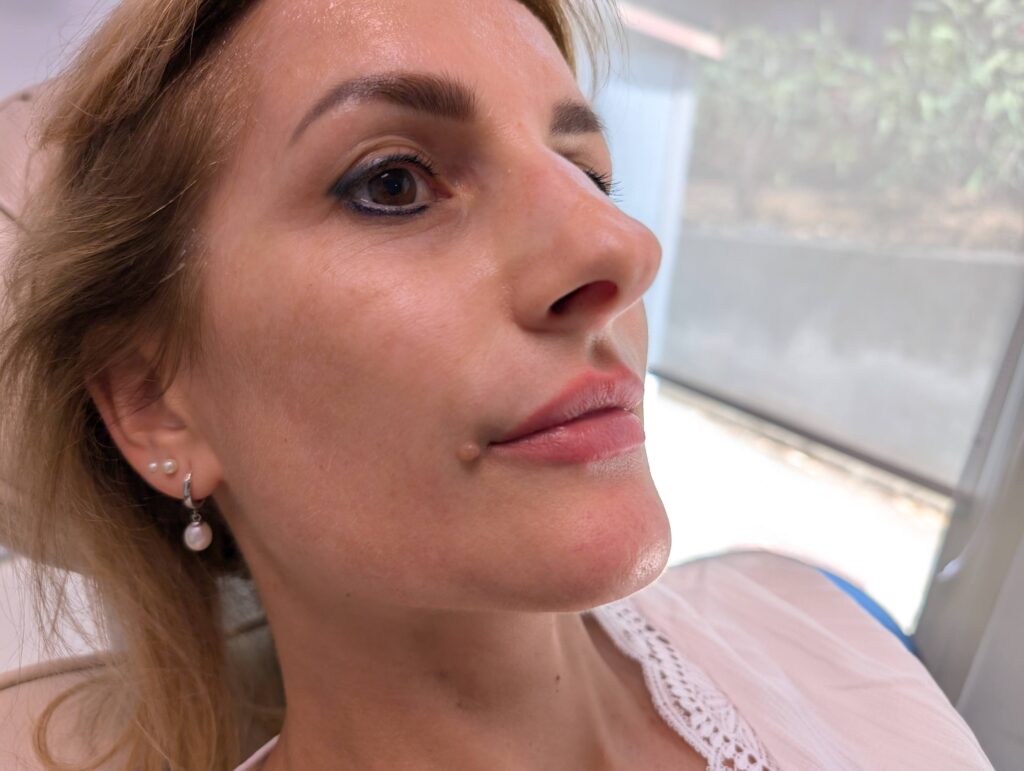
Dermal fillers use hyaluronic acid (HA) to restore light, contour, and balance—without changing who you are. My approach is conservative and anatomy-led: we treat the right layer (skin, fat, ligament support, or bone line) so results look fresh, calm, and natural rather than “filled.”
What fillers can—and cannot—do
Can help with:
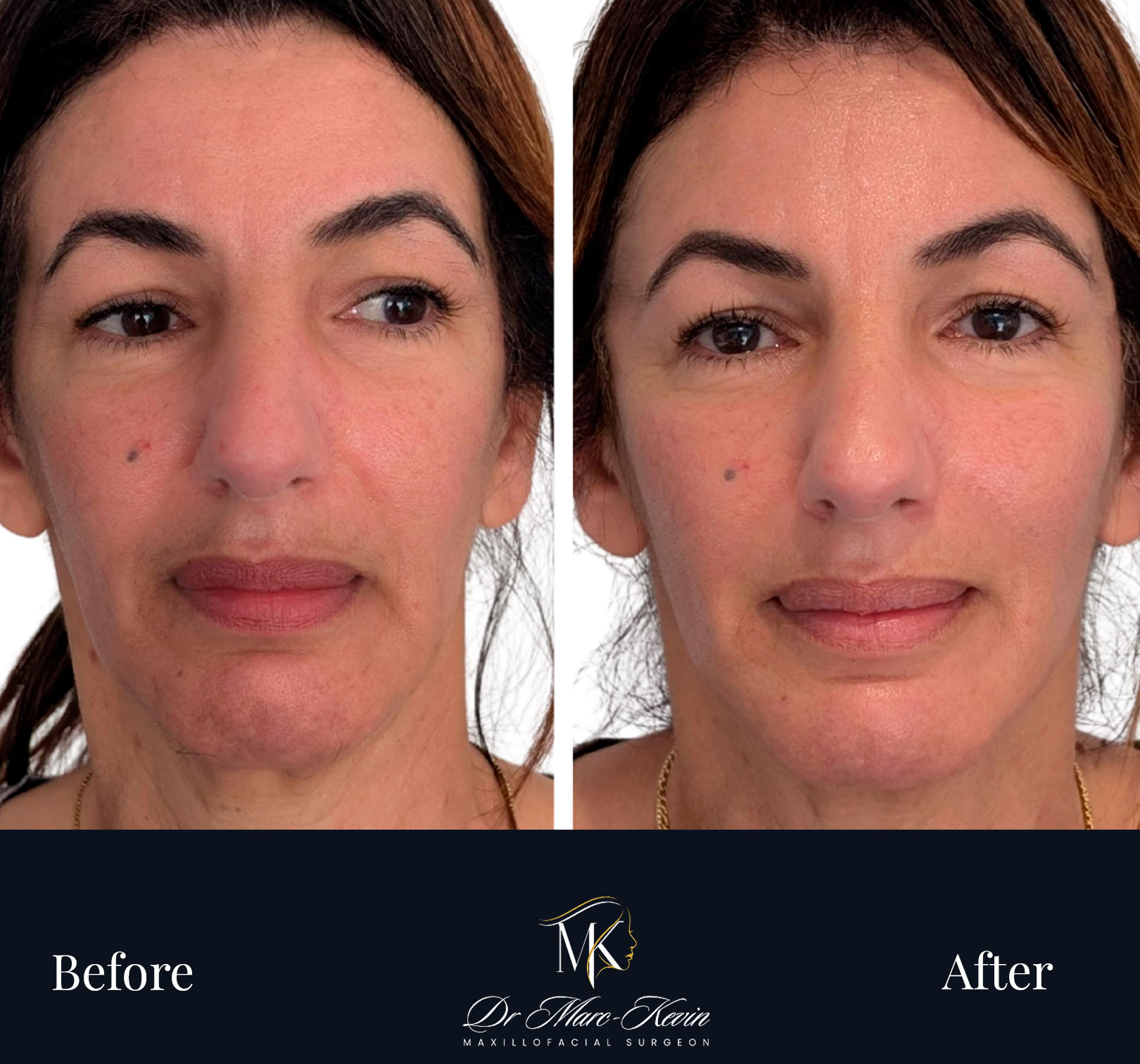
- Subtle cheek projection and midface support
- Softening nasolabial and marionette shadows (by lifting support, not overfilling lines)
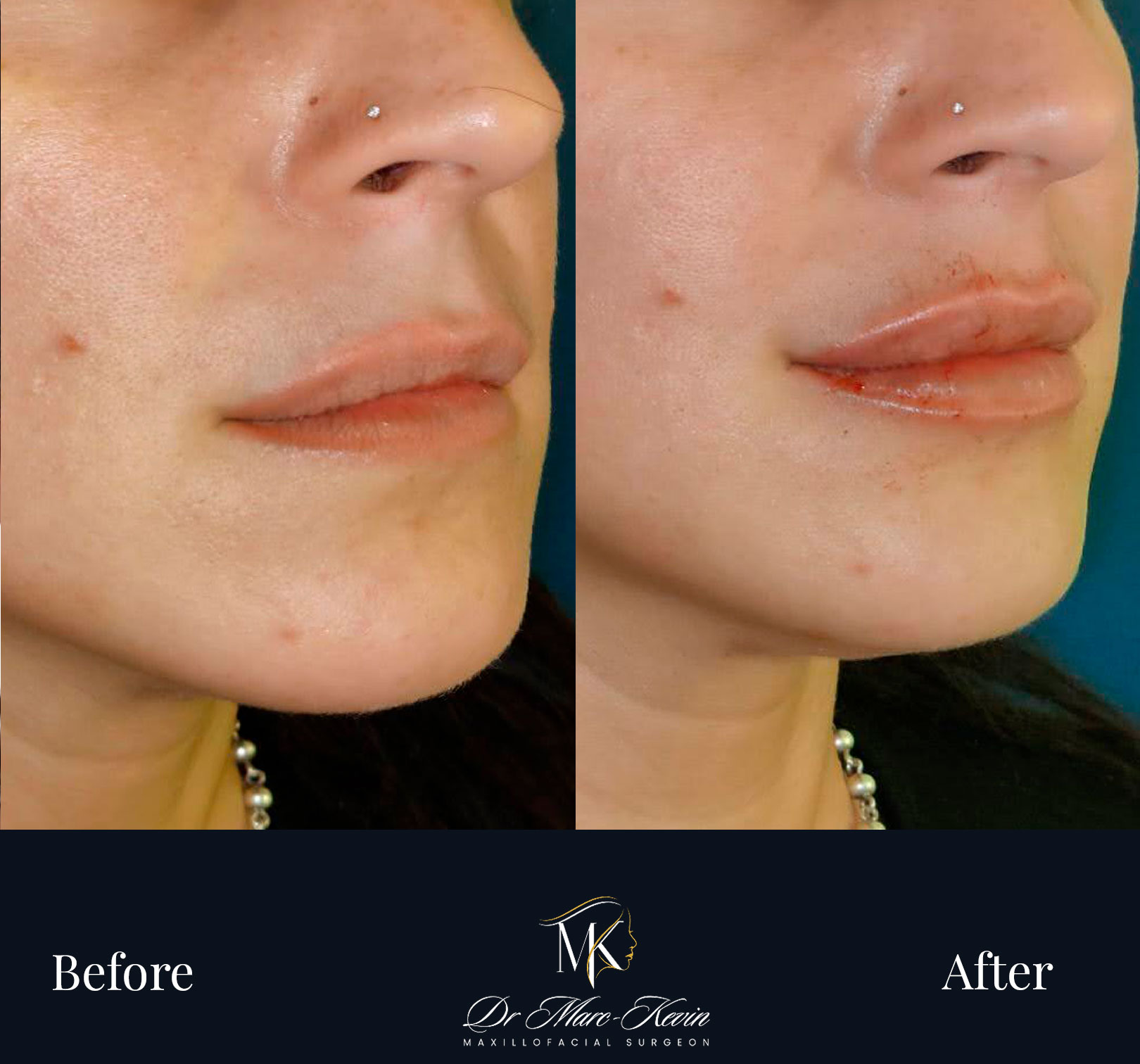
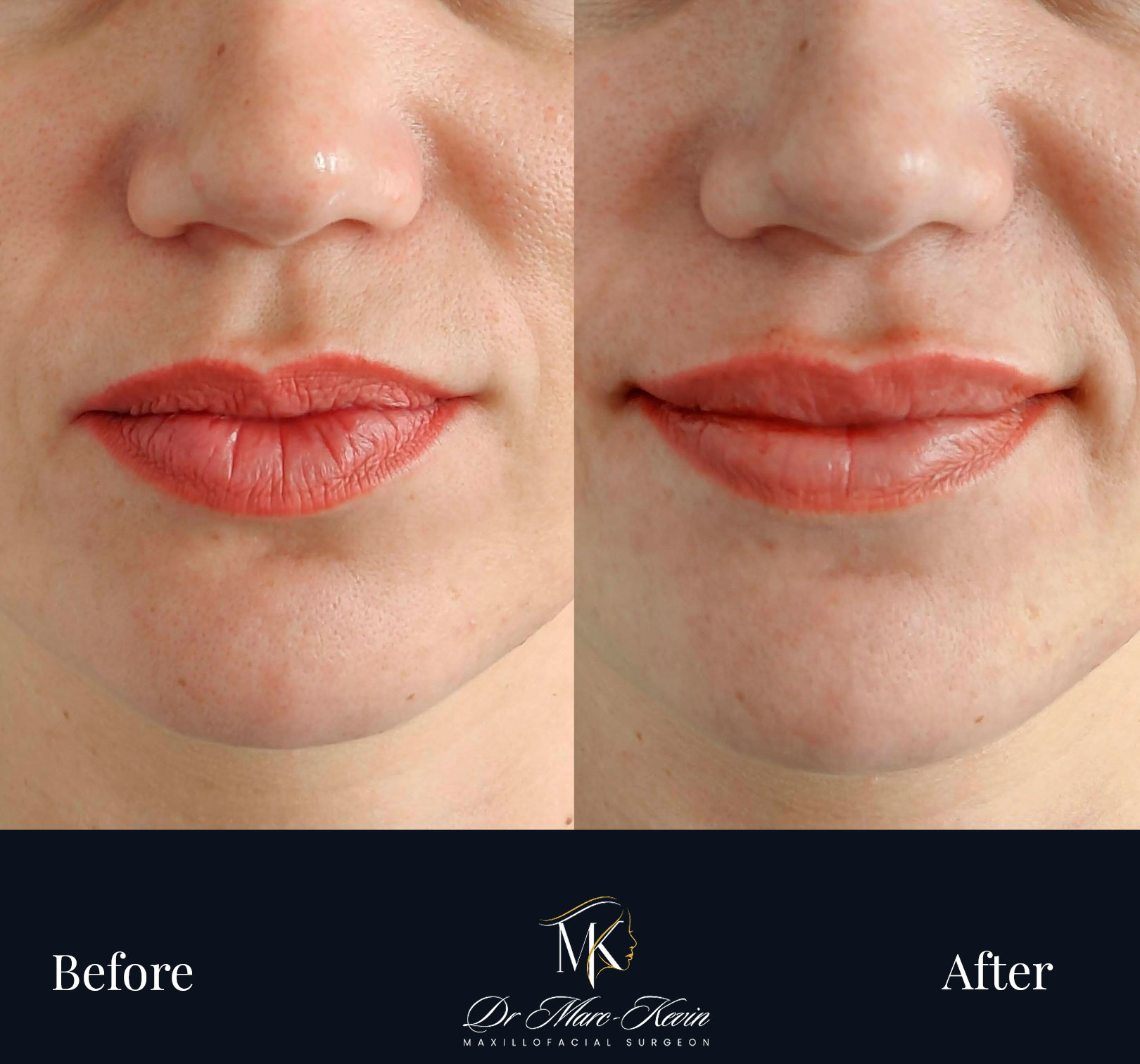
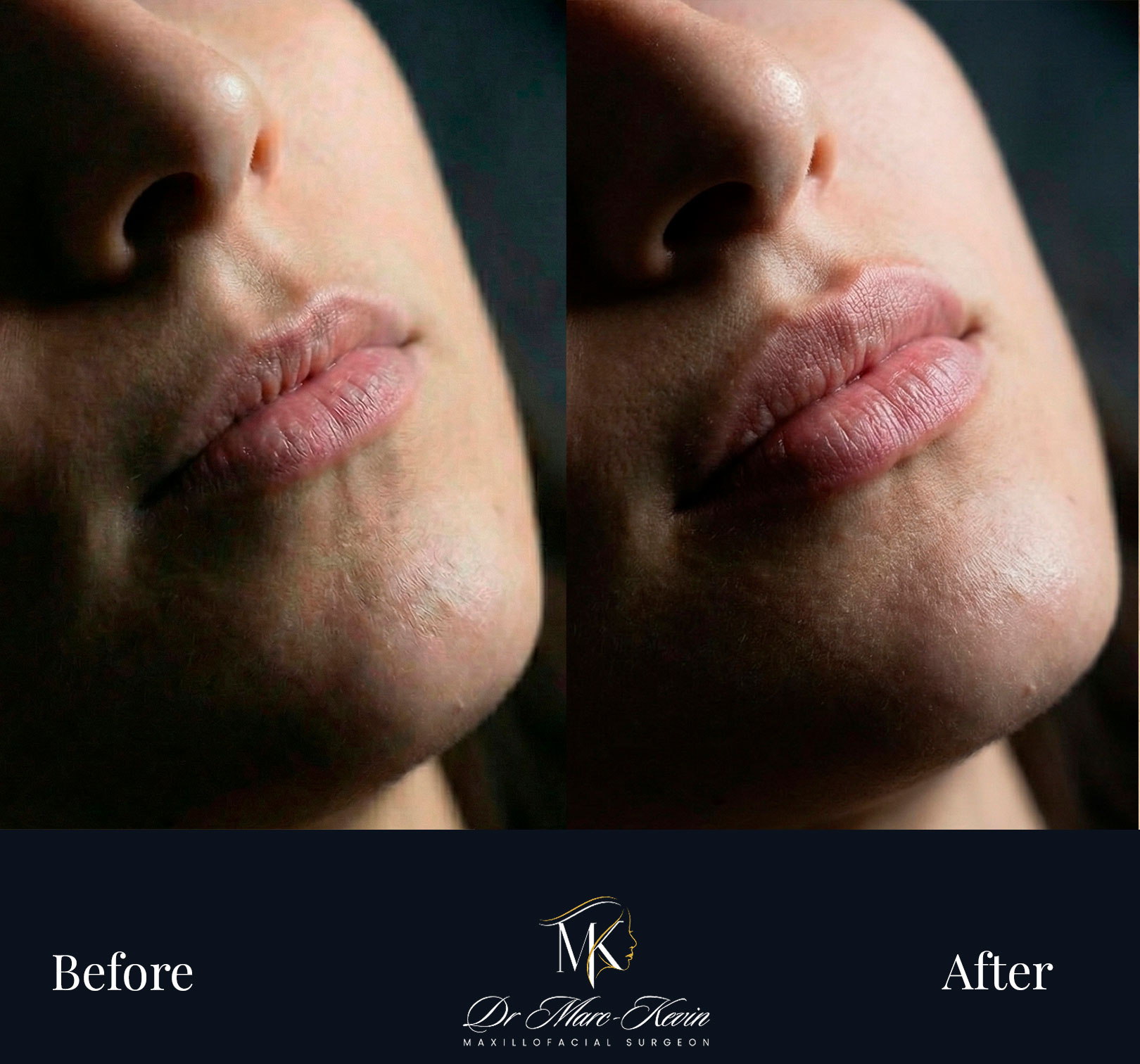
- Lip shape/hydration (border definition, philtral columns, natural dental show)
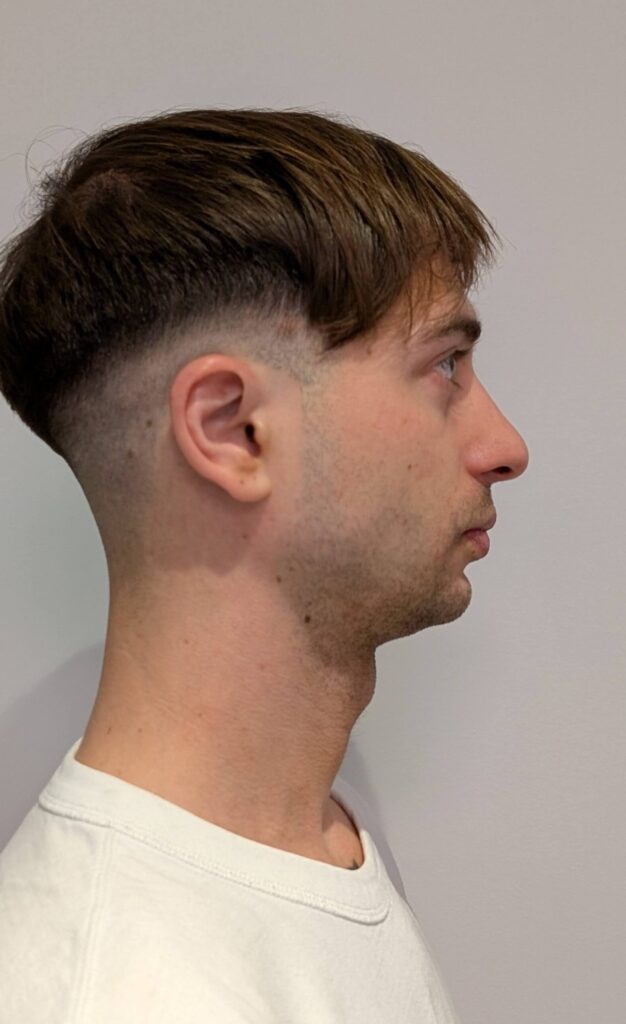
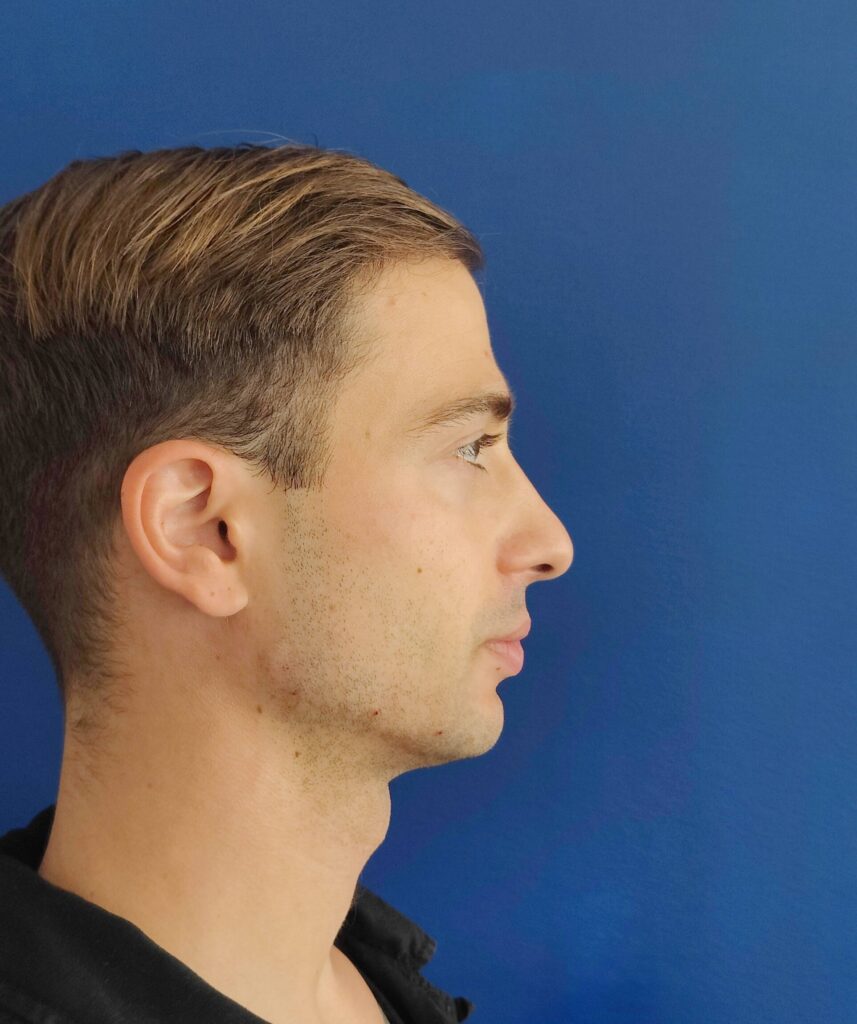
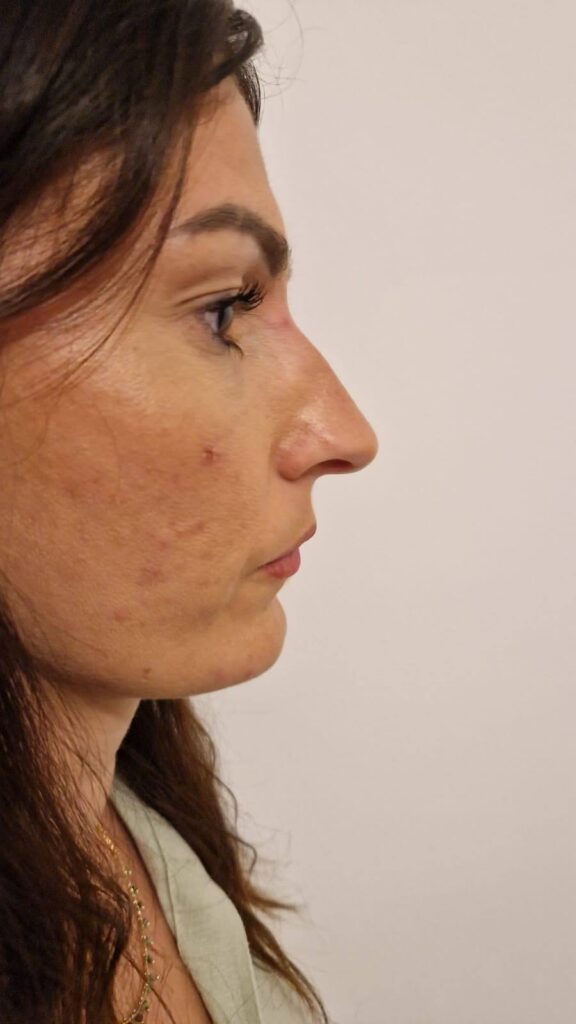
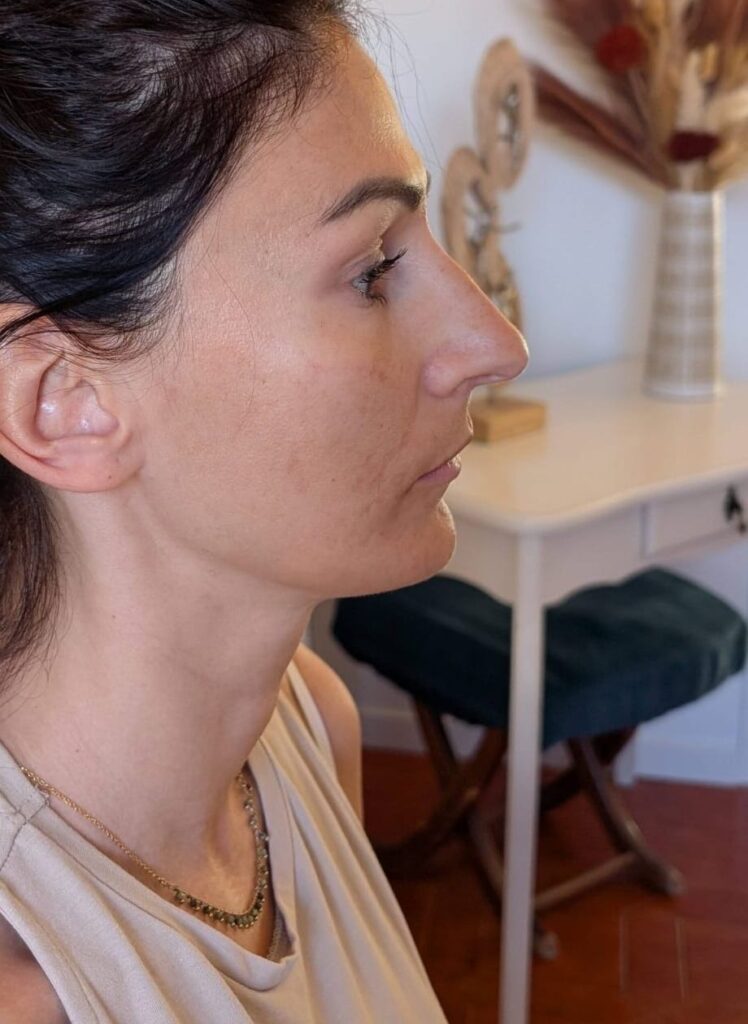
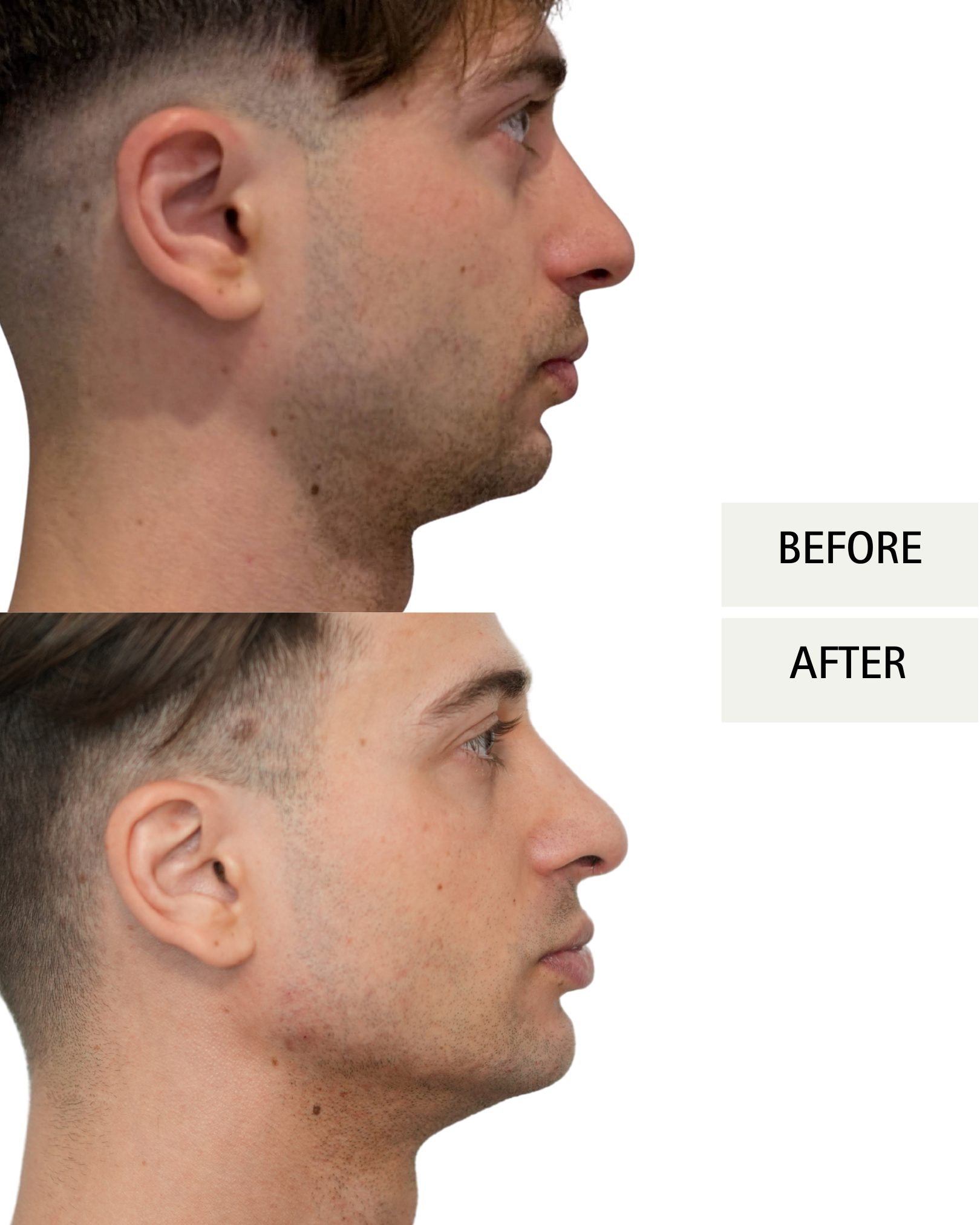
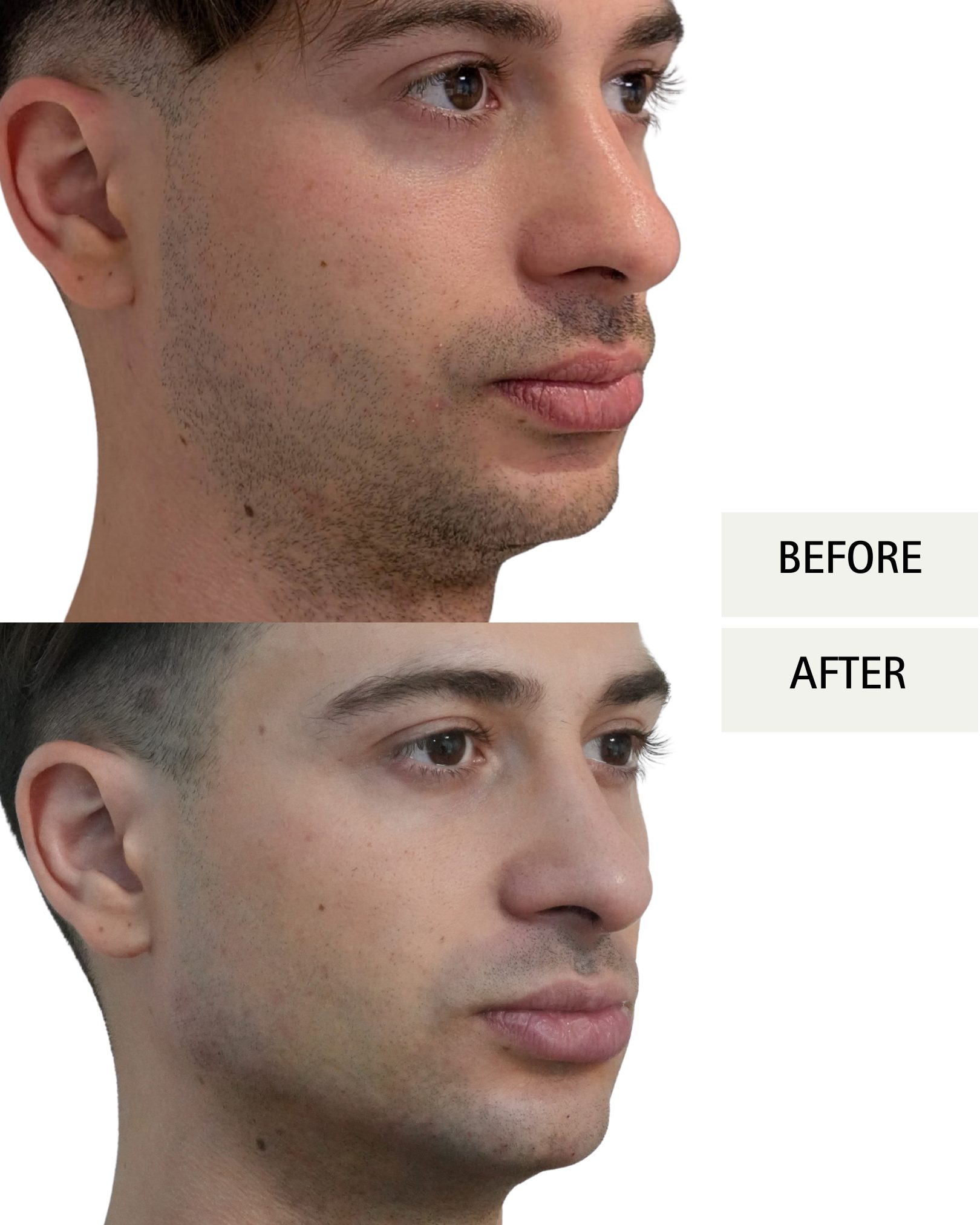
- Refined chin/jawline proportion for profile balance
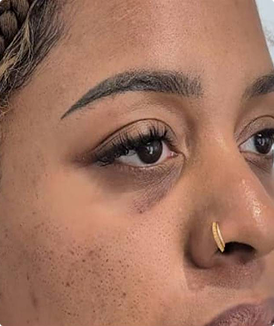
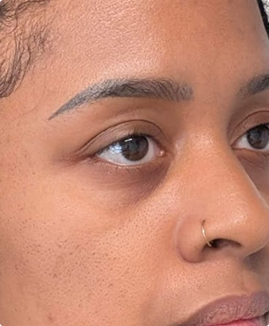
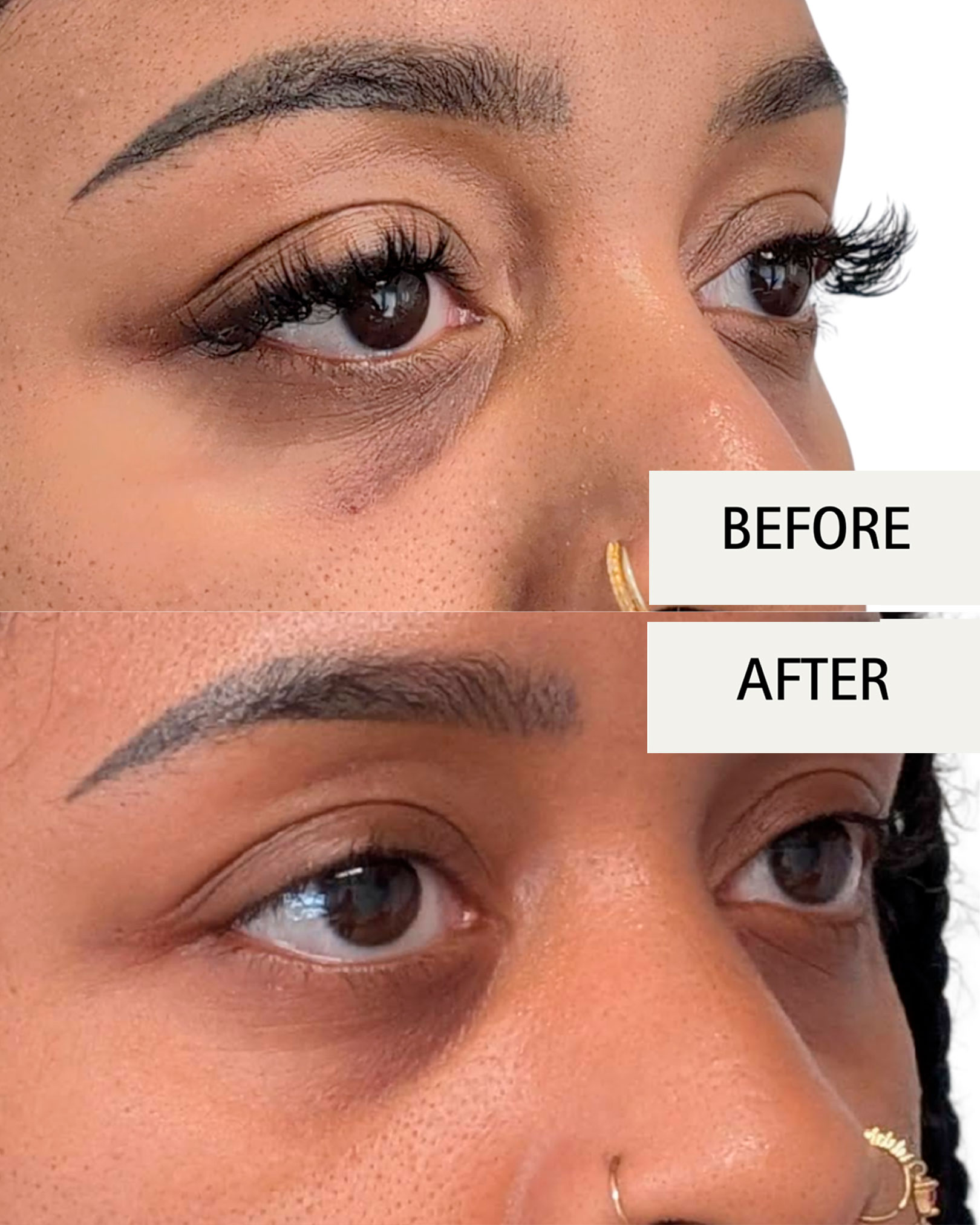
- Carefully selected tear trough cases (fat-preserving, edema-aware)
- Small contour edits as part of non-surgical rhinoplasty (see Liquid Rhinoplasty)
Cannot do:
- Tighten significant skin laxity (consider energy devices or facelift)
- Replace weight management for generalised fullness
- Correct breathing problems or major structural nasal reductions
Below is how we approach each area for natural, anatomy-led results.
Areas we treat (tailored notes)
Cheeks & Midface
Lift shadows and restore projection with deep, structural placement—minimal volume, maximum effect.
Lips
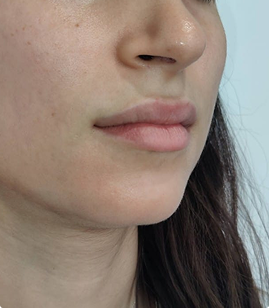
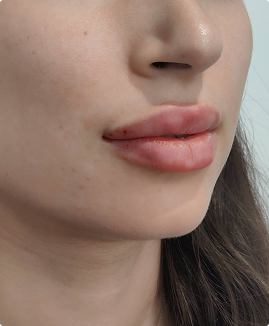
Shape before size: define cupid’s bow, philtral columns, and vermilion border; add internal hydration for softness. No “pillow lips.”
Chin & Jawlin
Improve profile and jawline clarity with precise pre-periosteal support; consider osseous genioplasty/implants for larger, permanent changes.
Tear Trough
For true troughs with good support—use micro-aliquots and blending. Not suitable for festoons/malar edema or very thin, mobile skin.
Nose (Non-surgical)
See Liquid Rhinoplasty for safe-plane protocols; HA only, reversible, reduction-ineligible.
Lines & Skin Quality
For etched lines we combine support with Skin Boosters, Mesobotox, Polynucleotides or gentle resurfacing—lines are often a skin problem, not a volume problem.
Product philosophy & safety
- Hyaluronic acid only for volumising (reversible with hyaluronidase)
- Rheology matched to task (firm for structure, soft for skin-level finesse)
- Vascular-safety protocol and emergency supplies in clinic
- Photography, consent, and sterile technique for every session
The appointment, step by step
- Assessment & mapping (front/profile/oblique photos).
- Plan review with areas, volumes, and expectations.
- Asepsis & optional numbing (topical/field block).
- Micro-aliquot injections via needle and/or micro-cannula in safe planes.
- Sculpt & symmetry checks; post-care instructions.
Time in clinic: ~20–40 minutes depending on areas.
Back to routine: usually same day; mild swelling/bruising may last 24–72 h.
Aftercare & longevity
- Avoid heavy exercise/sauna and firm pressure for 24–48 h.
- Sleep head-elevated the first night; delay dental work where relevant.
- Expect integration as hydration equilibrates.
Typical duration (varies by metabolism/product/area):
- Lips / Tear trough: ~6–12 months
- Cheeks / Chin / Jawline: ~9–18 months
- Nasolabial / Marionette: ~9–15 months
Maintenance is light and scheduled to keep proportions stable—not to “chase” volume.
Combining treatments (when it helps)
- Anti-wrinkle for dynamic lines and masseter width
- Skin Boosters / Polynucleotides / Collagen stimulators for texture and elasticity
- Liquid Rhinoplasty for small dorsal/tip edits
- Chin surgery / Jawline implants for definitive bone changes
We always choose the least invasive option that will truly meet your goal.
Risks & transparency
Common, usually mild: redness, swelling, tenderness, small bruises, transient asymmetry.
Less common: nodules, Tyndall effect (too superficial), vascular compromise (rare). These are mitigated by conservative dosing, safe-plane technique, aspiration/flow control, and immediate access to hyaluronidase. You receive clear consent and aftercare.
Migration, when it occurs, is usually related to plane selection or inappropriate volume — addressed in FAQ below.

FAQs
Will I look “done”?
No. The plan prioritises proportion and light; micro-doses placed deep restore structure rather than inflate.
Can filler migrate?
Poor plane choice or overfilling can cause drift. Careful mapping and modest volumes minimise this; corrections are possible with technique or hyaluronidase.
How soon will I see results?
Immediately, with subtle refinement over a few days as swelling settles.
Are results permanent?
No—HA is resorbable. Longevity varies by area and product; most patients refresh annually.
Is tear-trough filler right for everyone?
No. It’s best for a true hollow with good support and low edema tendency. Otherwise, midface support or other modalities work better.